


Pharmacotherapy Specialty Certification (BCPS®)
Target Population: Pharmacists who ensure the safe, appropriate, and economical use of medications in a variety of practice settings, with emphasis on direct patient care and optimization of medication therapy.
Program Purpose: To validate that the pharmacist has the advanced knowledge, skills, and experience necessary to optimize the safety and efficacy of healthcare outcomes in diverse patient populations across a variety of practice settings.
Currently there are more than 31,580 BPS Board-Certified Pharmacotherapy Specialists.
Pharmacotherapy Specialty Council Members
The purpose of the BPS Specialty Councils is to develop standards and eligibility requirements for board certification, develop examinations and passing standards for certification, and review and approve professional development programs for recertification of board-certified pharmacists. Specialty council members are at the heart of the peer-reviewed and peer-developed nature of BPS Board Certification.







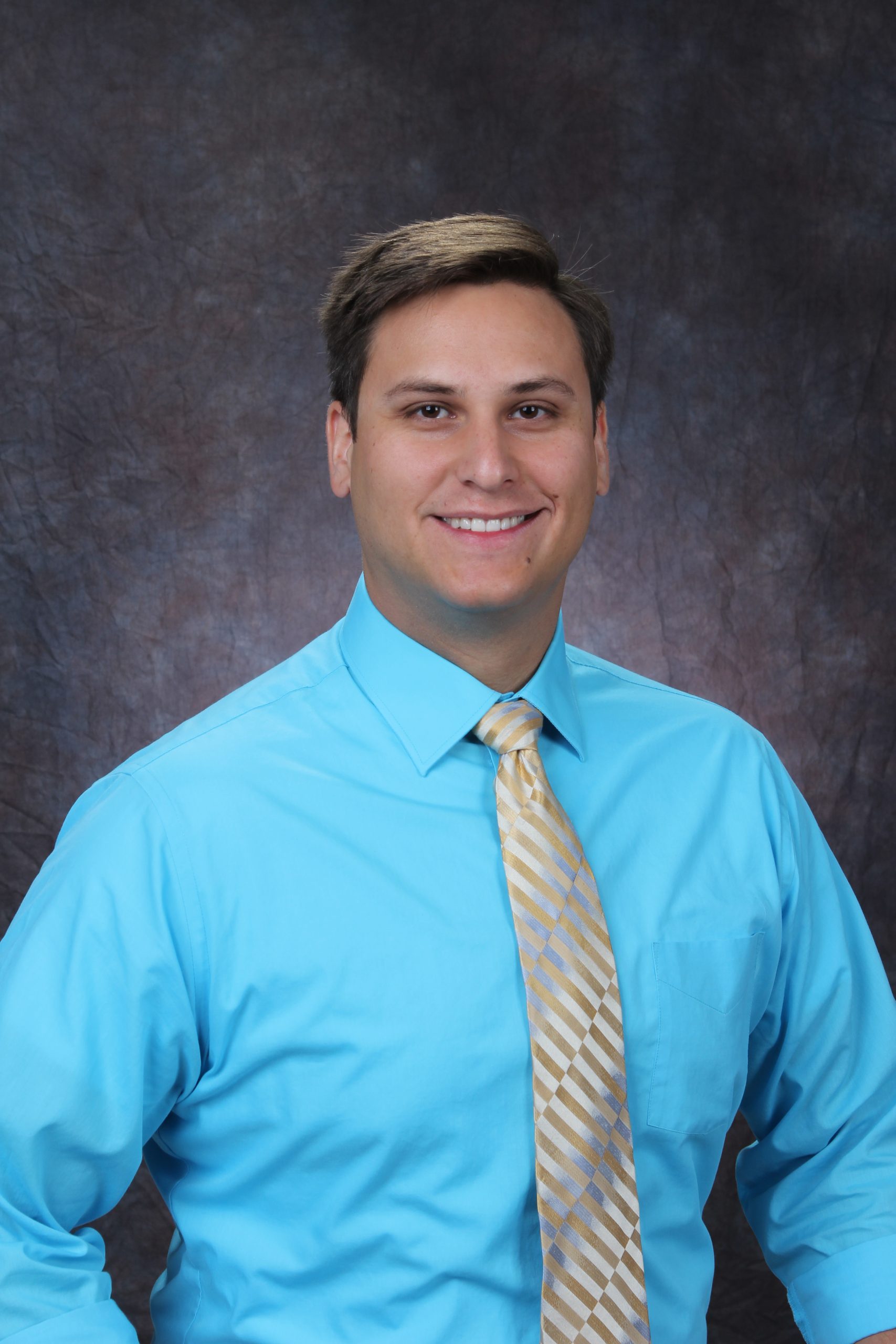


Griffin is a Health Sciences Assistant Clinical Professor in the Department of Clinical Pharmacy Practice at the University of California, Irvine (UCI) School of Pharmacy & Pharmaceutical Sciences. He is also a pharmacist within the Hematopoietic Stem Cell Transplantation and Cellular Therapy Program at UCI Health. Prior to joining UCI, Griffin worked as a Hematology/Stem Cell Transplant pharmacist at Indiana University Health for five years. He received his BS from Boston College and his PharmD from the UNC Eshelman School of Pharmacy. After graduation, Griffin completed a PGY1 Pharmacy and PGY2 Oncology Pharmacy Residency at the University of Florida Health Shands Hospital.
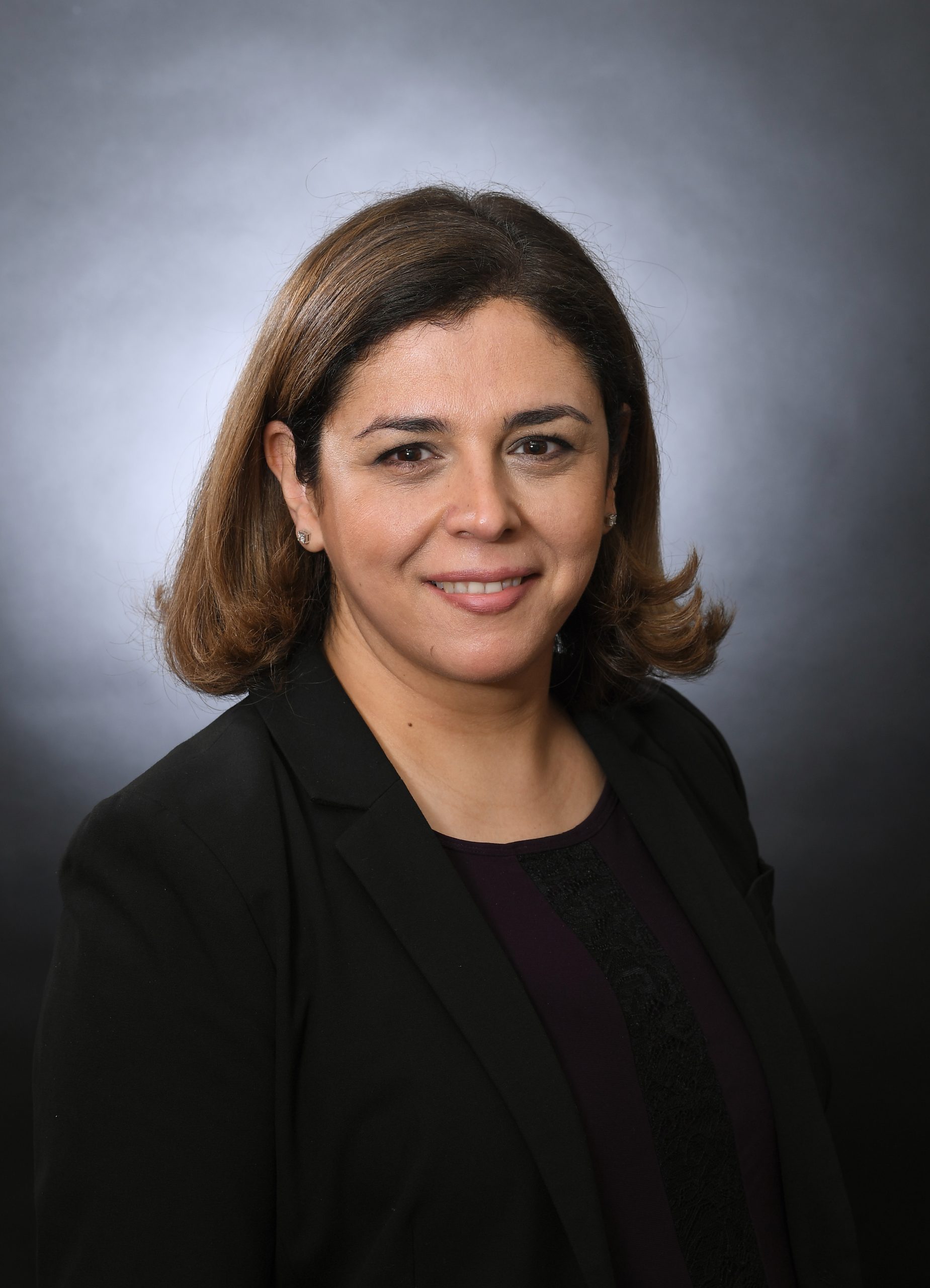
Reardon is the Pharmacist Consultant with UF Health Ocala Neighborhood Hospital. She earned her Doctor of Pharmacy degree at the University of Wisconsin-Madison. Reardon completed her PGY-1 Pharmacy Residency at Oregon Health & Science University Hospitals and Clinics in Portland, Oregon, and her PGY-2 Critical Care Residency at the University of Nebraska Medical Center in Omaha, Nebraska. Prior to her current position, she served as the Clinical Pharmacy Manager at HCA Florida North Florida Hospital, and as the Critical Care/Trauma Pharmacist Clinical Coordinator at HCA Florida Ocala Hospital.
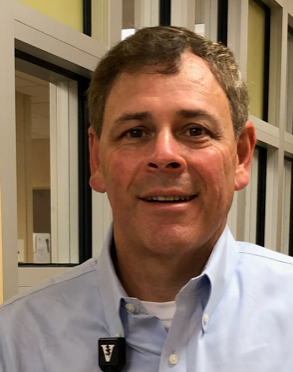
Steve is a Clinical Pharmacist in the Adult Endocrinology Clinic at Vanderbilt University Medical Center in Nashville, TN. He has practiced at Vanderbilt for 18 years and has headed up the endocrinology specialties clinic as an integral interprofessional team member for the last 14 years. He earned his Bachelor of Science in Pharmacy from the University of Mississippi and his PharmD from the University of Florida.
Dr. Jennifer Cole is a Clinical Pharmacy Specialist at the Veterans Healthcare System of the Ozarks in Fayetteville, Arkansas. Her practice area includes critical care medicine, internal medicine, and pharmacogenomics. After she received her PharmD from UAMS Little Rock, she went on to complete a PGY1 residency at the VA North Texas Healthcare System in Dallas, Texas. This was followed by a PGY2 residency in critical care at the University of Washington Medical Center and Harborview Medical Center in Seattle, Washington. Her research endeavors deal primarily with quality improvement and implementation science.
Dzirbik is a Clinical Pharmacist at Western State Hospital, a state psychiatric hospital in Lakewood, Washington. He earned his Doctor of Pharmacy degree from Ferris State University in Big Rapids, Michigan. He completed a PGY-1 pharmacy residency with a mental health focus at VA Texas Valley Coastal Bend Healthcare System in Harlingen, Texas, and a PGY-2 psychiatric pharmacy residency at VA Loma Linda Healthcare System in Loma Linda, California. He maintains board certifications in pharmacotherapy and psychiatry.
Bruce M. Jones is a Director, Medical Science Liaison with Innoviva Specialty Therapeutics. He also serves as an Adjunct Clinical Associate Professor for the University of Georgia College of Pharmacy. He received his Doctor of Pharmacy degree from East Tennessee State University Gatton College of Pharmacy in Johnson City, Tennessee. He then completed a Postgraduate Year One (PGY1) Pharmacy Practice Residency at St. Joseph’s/Candler Health System. Dr. Jones is a member of IDSA, GSHP, ASHP, SIDP, and the Southeastern Research Group Endeavor (SERGE-45). Dr. Jones is board certified in Pharmacotherapy (BCPS) and is the current chair of the BCPS council for the Board of Pharmacy Specialties.
Moon is a Senior Pharmacy Clinical Specialist in acute care internal medicine at Houston Methodist Willowbrook Hospital in Houston, Texas. She received her Doctor of Pharmacy degree from Campbell University College of Pharmacy and Health Sciences in Buies Creek, North Carolina. She completed a PGY-1 Pharmacy Practice Residency with the Indian Health Service at Northern Navajo Medical Center in Shiprock, NM.
Piazik is the Medication Safety Officer at Elliot Health System in Manchester, New Hampshire. She received her Doctor of Pharmacy degree from the University of Rhode Island and her Master of Public Health degree from Dartmouth College.
Maha Saad is an Associate Clinical Professor in the Department of Pharmacy Practice at St. John’s University College of Pharmacy and Health Sciences. She also serves as Co-Director of Drug Information Services at the St. John’s University Drug Information Center at Long Island Jewish Medical Center – Northwell Health. She received her B.S and Pharm.D. degrees from the Lebanese American University. She completed a Geriatric Pharmacy Practice residency at Kingsbrook Jewish Medical Center in Brooklyn, New York, and a Neuropsychopharmacology residency/fellowship at the same institution in affiliation with Long Island University. Prior to her current position, she served as Drug Information Clinical Coordinator at Mount Sinai Medical Center.
Evan Williams is Associate Professor of Pharmacy Practice at Roseman University of Health Sciences College of Pharmacy in Henderson, NV. He obtained a Doctor of Pharmacy degree from the University of Arizona and a Master of Business Administration with a concentration in Healthcare Management from Husson University in Bangor, ME. He completed residency training with a focus in ambulatory care at the Carl T. Hayden VA Medical Center in Phoenix, AZ. Board certified in both pharmacotherapy and ambulatory care pharmacy practice, he has practiced in outpatient clinics and inpatient settings. He currently focuses on transitions of care at an urban teaching hospital where he precepts pharmacy students and residents.
Leslie Wooten is a Clinical Pharmacy Manager in Internal Medicine at AdventHealth Orlando in Orlando, Florida. She also serves as the Post Graduate Year 2 (PGY2) Internal Medicine Residency Program Director. She received her Doctor of Pharmacy degree from Butler University College of Pharmacy and Health Sciences in Indianapolis, Indiana. She then completed Post Graduate Year 1 and PGY2 in Internal Medicine at The University of Cincinnati Medical Center in Cincinnati, Ohio. Leslie is a member of ACCP, ASHP, and FSHP. She is board certified in Pharmacotherapy (BCPS).
Samantha L. Yeung is an Assistant Professor of Clinical Pharmacy at the USC Alfred E. Mann School of Pharmacy and Pharmaceutical Sciences. She graduated from the University of California, San Diego with a Bachelor of Science and Master of Science degree in Biochemistry/Cell Biology and went on to receive her Doctor of Pharmacy degree from USC Mann. She completed a PGY-1 Pharmacy Practice Residency at Cedars-Sinai Medical Center followed by a PGY-2 Cardiology Pharmacy Residency and Clinical Translational Sciences Fellowship in Cardiovascular Pharmacology at USC Mann. She became a board-certified cardiology pharmacist in 2019. Dr. Yeung’s clinical practice site is at LA General Medical Center, where she provides care to patients admitted in the Cardiac Intensive Care Unit.
Eligibility Requirements
An applicant for board certification in Pharmacotherapy must demonstrate all of the eligibility requirements listed below. All practice and education eligibility requirements must be met before submitting the application. Once all of the requirements below are met, an applicant will be deemed eligible to sit for the Pharmacotherapy specialty certification examination. If an applicant achieves a passing score on the Pharmacotherapy specialty certification examination, they may use the designation Board-Certified Pharmacotherapy Specialist, or BCPS®.
- Refer to the Pharmacotherapy Examination Content Outline here for details on eligibility requirements, effective dates, and more.
The rationale for the appropriateness of the requirements for BPS certification programs are based upon the following:
- BPS recognizes individuals who graduate from a recognized school or college of pharmacy within the candidate’s jurisdiction. Those jurisdictions recognize and evaluate programs on the extent to which it accomplishes its stated goals and is consistent with the concept that pharmacy is a unique, personal service profession in the health science field. In the United States, the responsibility for recognizing schools and colleges of pharmacy falls to the Accreditation Council for Pharmacy Education (ACPE).
- The rationale for requiring licensure or registration of pharmacists within their jurisdiction is based upon the fact that for public protection, all pharmacists must be licensed or registered. This is considered a baseline requirement to be a pharmacist specialist. In the United States, BPS recognizes the licensure process administered by the National Association of Boards of Pharmacy (NABP). The National Association of Boards of Pharmacy (NABP) aims to ensure the public’s health and safety through its pharmacist license transfer and pharmacist competence assessment programs. NABP’s member boards of pharmacy are grouped into eight districts that include all 50 United States, the District of Columbia, Guam, Puerto Rico, the Virgin Islands, Bahamas, and all 10 Canadian provinces.
- The experiential component is required to help assure practical application of components of the specialty knowledge being certified. There are multiple pathways to meet the practice experience requirement. The faster eligibility pathways recognize accredited residencies through the American Society of Health System Pharmacists (ASHP). The ASHP residency accreditation program identifies and grants public recognition to practice sites having pharmacy residency training programs that have been evaluated and found to meet the qualifications of one of the ASHP’s residency accreditations standards. Thus, accreditation of a pharmacy residency program provides a means of assurance to residency applicants that a program meets certain basic requirements and is, therefore, an acceptable site for postgraduate training in pharmacy practice in organized health care.
- Passing the BPS pharmacy specialty examination helps assure knowledge consistent with the validated content outline for the BPS specialty.
The appropriateness of the BPS program requirements are consistent with the Council on Credentialing in Pharmacy’s Resource Paper titled: Scope of Contemporary Pharmacy Practice: Roles, Responsibilities, and Functions of Pharmacists and Pharmacy Technicians.
Upcoming Deadlines
Candidate's Guide
The Candidate’s Guide is intended for use by pharmacists who are interested in becoming certified as specialists by BPS in any of the BPS-recognized specialty practice areas. To review critical information for BPS Certification Examinations, visit this page.
Content Outline for BCPS
Refer to the Pharmacotherapy Examination Content Outline here for details on eligibility requirements, effective dates, and more.
The examination content outline is a product of a job analysis, also known as a role delineation study, that includes discussions with a panel of 15-20 subject matter experts who represent the specialty area. These experts determine the competencies required for safe and effective pharmacy practice in the specialty area and engage board-certified pharmacists through a validation survey for their endorsement of the identified competencies. The job analysis process is conducted every 5 years to help ensure that the competencies in the examination content outline reflect current pharmacy practice in the specialty area.
Click here to review the BCPS® Job Analysis Summary.
Important Resources
Preparing for the BCPS Examination
Certification is a significant differentiator, and the rigorous exam process requires concentrated study. Successful candidates are well prepared, and a number of available resources can assist pre-qualified applicants.
Suggested preparation for the examination might include:
- The study of journal articles, textbooks or other publications related to the Content Outline.
- Attendance at continuing education programs and courses in specialized pharmacy practice.
- Participation in study groups and examination preparation courses.
- Reviewing the sample examination items provided in order for candidates to familiarize themselves with the various item formats which are presented on the exam. Sample question performance should not be interpreted as an indicator of exam performance.
To maintain its strict, independent standards for certification, BPS does NOT provide review information, preparatory courses, or study guides. However, such materials are available from outside organizations, state or local professional associations and colleges of pharmacy. Potential applicants may contact the professional associations noted below for additional study resources.
The Board of Pharmacy Specialties provides the following program listing for informational purposes. This list is not an exhaustive list of options available for examination preparation. BPS does not endorse or provide preparatory courses for Board Certification Examinations.
Pharmacotherapy
- American College of Clinical Pharmacy
(913) 492-3311
http://www.accp.com/education/pharmacotherapyPrepCourse.aspx - American Society of Health-System Pharmacists
(866) 279-0681
https://www.ashp.org/Professional-Development/Board-Certification-Resources/Pharmacotherapy/Pharmacotherapy-Certification-Preparation
BPS partners with Pearson to provide the examination. BPS does not have any other partnerships for the certification or recertification application process. BPS partners with professional development program (PDP) providers to provide continuing pharmacy education (CPE) for recertification and the relationship is noted here. Any organization claiming a relationship with BPS for the application process or providing CPE labeled ‘BPS-approved’ outside of the organizations listed should be reported to BPS immediately.
Certification for Applicants Outside the U.S.
BPS would like to offer some helpful tips to candidates outside of the United States in order to make their application experience easier. To learn more about applying for board certification as a pharmacist outside of the U.S., visit this page.
Apply for ADA Accommodations
BPS complies with the relevant provisions of the Americans with Disabilities Act (ADA). For applicants looking to request special accommodations in their application process, more instructions can be found on this page.
Frequently Asked Questions
After review of the BPS Candidates Guide and specialty certification page, some applicants may still have questions. Visit this page to see frequently asked questions from pharmacists pursuing board certification like you!
Sample Examination Items
Sample Items for BCPS® Examinations
The sample examination items for BCPS® examinations are made available by BPS for the purposes of familiarizing certification candidates and other stakeholders with the structure and format of BPS Certification Examinations. This is not meant for use as a self-assessment. Performance on any of these items does not correlate with performance on the actual examination.
The content of these examples is meant to be illustrative of actual examination items, but these items do not appear on the certification examination and are not meant to identify the scope of the examination. For a more comprehensive indication of the scope of the certification examination, please refer to the BCPS® Exam Content Outline.
Examination items are in multiple-choice format. The great majority of examination items are multiple-choice with a single response from among four options. Some examinations may include a small percentage of items that require selection of multiple (three or four) responses from among a larger set of available (up to eight) options. Examinations items may also be supplemented by an image.
View the examination items down below.
A 56-year-old patient with type 2 diabetes mellitus is on a current metformin dose of 1,000 mg twice daily. The patient's A1c was checked one week ago, and it was 7.9%. The patient's body mass index is 32 kg/m2, and she has no other significant medical history. Which medication should be added to the patient's regimen?
Correct!
Incorrect!
Which patient is a candidate for the 12-dose directly observed therapy regimen of isoniazid / rifapentine for latent tuberculosis infection?
Correct!
Incorrect!
Which guidance should be given to a patient receiving amphetamine / dextroamphetamine mixed salts ER 20 mg orally once daily for a recent diagnosis of ADHD?
Correct!
Incorrect!
A 48-year-old patient receives left-ventricular-assist device placement in the cardiothoracic surgery ICU. Two days later, the patient remains intubated and mechanically ventilated and continues to require hemodynamic support with several vasopressors.
The following laboratory values are observed:
| SCr | 1.9 mg/dL (baseline 0.7 mg/dL) |
| WBC | 13,600 cells/mm3 |
| Urine output (past 24 hours) | 20 mL |
| Plt | 248,000 cells/mm3 |
| AST | 37 units/L |
| ALT | 24 units/L |
| Total bilirubin | 1 mg/dL |
Which medication should be utilized for pain control in this patient?
Correct!
Incorrect!
A patient with symptomatic lower extremity peripheral artery disease and chronic heart failure (Class II, ejection fraction 40%) presents to a clinic with increased shortness of breath while walking on flat surfaces.
The patient's medications include:
Aspirin 81 mg daily
Furosemide 40 mg once daily
Potassium chloride 10 mEq once daily
Metoprolol succinate 100 mg once daily
Lisinopril 20 mg once daily
Cilostazol 100 mg twice daily
Which change should be made in the patient's medication regimen?
Correct!
Incorrect!
Current medications:
Conjugated equine estrogen
Medroxyprogesterone
Calcium
Which is an accurate statement regarding this patient's hormone replacement therapy?
Correct!
Incorrect!
Which is an accurate statement regarding the use of the HPV vaccine?
Correct!
Incorrect!
A patient received the first dose of the measles, mumps, and rubella (MMR) vaccine 7 days ago and presents to a clinic with numerous bruises and small red spots on the lower legs. The patient is diagnosed with thrombocytopenia purpura, which is suspected to be vaccine-induced. Where should the pharmacotherapy specialist report this adverse effect?
Correct!
Incorrect!
A 54-year-old patient with a history of type 2 diabetes mellitus and myocardial infarction is taking pravastatin 40 mg daily for coronary artery disease.
The following laboratory values were observed:
| Total cholesterol | 265 mg/dL |
| HDL-C | 30 mg/dL |
| LDL-C | 143 mg/dL |
| Triglycerides | 370 mg/dL |
| A1c | 7.1% |
Which intervention is recommended?
Correct!
Incorrect!
Which of the following is the most appropriate choice for the management of acute migraine headache during pregnancy?
Correct!
Incorrect!
A 15-year-old patient with no past medical history requests treatment for acne. According to the physician, the patient has mild papulopustular acne and has not used anything in the past. Which treatment option is the most appropriate initial recommendation?
Correct!
Incorrect!
A 30-year-old patient presents to the dermatologist with mild to moderate psoriasis. The patient has no known drug allergies and is not on any medications. The patient is currently unemployed and has no health insurance. Which treatment option is most appropriate?
Correct!
Incorrect!
A patient has a nasogastric output of 8 L daily and respirations of 10 bpm.
Serum chemistries:
| Na | 142 mEq/L |
| K | 4.0 mEq/L |
| Cl | 90 mEq/L |
| HCO3- | 40 mEq/L |
ABGs on room air:
| pH | 7.45 |
| PaCO2 | 55 mm Hg |
| PaO2 | 80 mm Hg |
This clinical information is most consistent with which finding?
Correct!
Incorrect!
A patient with Parkinson disease who is taking carbidopa 25 mg / levodopa 250 mg four times daily was recently started on entacapone 200 mg with each carbidopa / levodopa dose. The patient has been experiencing disturbing visual hallucinations for the past few days and is demonstrating dyskinetic movements. Which therapeutic recommendation is most appropriate for symptom management at this time?
Correct!
Incorrect!
A patient with bipolar disorder is admitted for arthroscopic surgery. Baseline laboratory studies reveal leukocytosis. Which medication is most likely to elevate white blood cells and lead to an erroneous interpretation?
Correct!
Incorrect!
Share the quiz to show your results !
Subscribe to see your results
I got %%score%% of %%total%% right
Loading...
Recertification Requirements for BCPS®
Pharmacists who earn the designation Board-Certified Pharmacotherapy Specialist (BCPS®) are required to maintain their certification over a seven-year period by completing one of the following recertification pathways:
Option One: Recertification Examination
- For BCPS® with certification beginning January 1, 2023 or earlier: Achieve a passing score on the recertification examination administered by BPS.
- For BCPS® with certification beginning January 1, 2024 or later:Achieve a passing score on the recertification examination administered by BPS and self-report up to 20 units of continuing professional development (CPD). Assessed continuing pharmacy education (CPE) from BPS-approved professional development programs can also satisfy this requirement. For more information on CPD, review the FAQ. To maintain an active certification in good standing, a minimum of two units of assessed CPE from BPS-approved professional development programs or self-reported CPD must be reported each year.
OR
Option Two: Professional Development Program
- For BCPS® with certification beginning January 1, 2023 or earlier: Earn 120 units of BPS-approved, assessed continuing education provided by the professional development programs offered by:
- The American College of Clinical Pharmacy (ACCP), and/or
- The American Society of Health-System Pharmacists (ASHP).
- BCPS® may participate in recertification from any BPS-approved BCPS® programs.
- For BCPS® with certification beginning January 1, 2024 or later: recertification via professional development program requires 100 units. Earn at least 80 units of assessed continuing pharmacy education (CPE) from BPS-approved professional development programs and self-report up to 20 units of continuing professional development (CPD) by the end of the 7 year recertification cycle (assessed CPE can also satisfy this requirement).*
- The American College of Clinical Pharmacy (ACCP), and/or
- The American Society of Health-System Pharmacists (ASHP).
- * A minimum of 2 units of CPD or BPS-approved, assessed CPE must be earned annually, regardless of recertification pathway.
- BCPS® may participate in recertification from any BPS-approved BCPS® programs.
Click here to view a simplified comparison infographic to learn more about the differences between the CPE and CPD recertification frameworks.
| Year certified/recertified | New cycle start (begin earning recert units) | Cycle expiration (deadline to meet recert reqs) | Units required (PDP = professional development program) |
| 2019 | 1/1/2020 | 12/31/2026 | 120 units assessed CPE via BPS-approved PDP |
| 2020 | 1/1/2021 | 12/31/2027 | 120 units assessed CPE via BPS-approved PDP |
| 2021 | 1/1/2022 | 12/31/2028 | 120 units assessed CPE via BPS-approved PDP |
| 2022 | 1/1/2023 | 12/31/2029 | 120 units assessed CPE via BPS-approved PDP |
| 2023 | 1/1/2024 | 12/31/2030 | 120 units (80 units assessed CPE via BPS-approved PDP + 20 units CPD) |
| 2024 onward | 1/1/2025 onward | 12/31/2031 onward | 100 units (80 units assessed CPE via BPS-approved PDP + 20 units CPD) |
For full details regarding recertification, please refer to the BPS Recertification Guide.
Board-Certified Pharmacotherapy Specialists® are required to pay the BPS Annual Certification Maintenance fee of $125 each year for years one through six and the $400 recertification fee in year seven. Individuals with more than one BPS certification are assessed one BPS Annual Certification Maintenance Fee each year.
Upcoming Deadlines
Candidates are required to recertify every 7 years. Certificants must submit their recertification application no later than the deadline of August 17. BPS encourages candidates to submit their recertification application as early as January 1 of their recertification year.
Candidates who intend to recertify via examination should note the availability of the recertification examination and related application deadlines. Candidates recertifying their BCPS credential by examination can find more information about examination dates and fees here.
Candidates who intend to recertify via continuing pharmacy education (CPE) MUST submit their recertification application by the deadline date of August 17 even if they have not completed their CPE requirements.
The deadline to complete the required CPE for recertification is December 31 for all specialties. The board-certified pharmacist is responsible for submitting an application that is completely and accurately filled out. Incomplete and/or unpaid applications will not be processed.
Recertification Guide
CPE Providers
BCPS® with certification beginning January 1, 2023 or earlier: recertification via professional development program requires 120 units of assessed CPE from BPS-approved professional development programs offered by:
- The American College of Clinical Pharmacy (ACCP), and/or
- The American Society of Health-System Pharmacists (ASHP).
BCPS® may participate in recertification from any BPS-approved BCPS® programs.
BCPS® with certification beginning January 1, 2024 or later: recertification via professional development program requires 100 units. Earn at least 80 units of assessed continuing pharmacy education (CPE) from BPS-approved professional development programs and self-report up to 20 units of continuing professional development (CPD) by the end of the 7 year recertification cycle (assessed CPE can also satisfy this requirement).*
- The American College of Clinical Pharmacy (ACCP), and/or
- The American Society of Health-System Pharmacists (ASHP).
* A minimum of 2 units of CPD or BPS-approved, assessed CPE must be earned annually, regardless of recertification pathway.
BCPS® may participate in recertification from any BPS-approved BCPS® programs.
Content Outline for BCPS
Refer to the Pharmacotherapy Examination Content Outline here for details on eligibility requirements, effective dates, and more.
The examination content outline is a product of a job analysis, also known as a role delineation study, that includes discussions with a panel of 15-20 subject matter experts who represent the specialty area. These experts determine the competencies required for safe and effective pharmacy practice in the specialty area and engage board-certified pharmacists through a validation survey for their endorsement of the identified competencies. The job analysis process is conducted every 5 years to help ensure that the competencies in the examination content outline reflect current pharmacy practice in the specialty area.
Click here to review the BCPS® Job Analysis Summary.
Important Resources
Logging CPD Activities (Video)
Watch a step-by-step video walkthrough of how to report CPD activities in MyBPS once a certificant begins a new certification cycle. For CPD categories and descriptions, see the “How will CPD activities contribute to recertification?” question in the CPD FAQs.
CPD Annual Reflection and Plan (ARP) Sample
Click here to view a sample Annual Reflection and Plan (ARP) to help guide formatting and structure for your CPD annual reflection and learning plan.
CPD Activity Evaluation Sample
Click here to view a sample CPD activity evaluation (scholarly activity) to help guide how evaluations may be documented for CPD credit. This sample is for guidance and is not the only acceptable format.
Frequently Asked Questions
After review of the BPS Recertification Guide and specialty page, some applicants may still have questions. Visit this page to see frequently asked questions from pharmacists renewing their board certification like you!
Sample Examination Items
Sample Items for BCPS® Examinations
The sample examination items for BCPS® examinations are made available by BPS for the purposes of familiarizing certification candidates and other stakeholders with the structure and format of BPS certification examinations. This is not meant for use as a self-assessment. Performance on any of these items does not correlate with performance on the actual examination.
The content of these examples is meant to be illustrative of actual examination items, but these items do not appear on the certification examination and are not meant to identify the scope of the examination. For a more comprehensive indication of the scope of the certification examination, please refer to the BCPS® Exam Content Outline.
Examination items are in multiple-choice format. The great majority of examination items are multiple-choice with a single response from among four options. Some examinations may include a small percentage of items that require selection of multiple (three or four) responses from among a larger set of available (up to eight) options. Examinations items may also be supplemented by an image.
View the examination items down below.
A 56-year-old patient with type 2 diabetes mellitus is on a current metformin dose of 1,000 mg twice daily. The patient's A1c was checked one week ago, and it was 7.9%. The patient's body mass index is 32 kg/m2, and she has no other significant medical history. Which medication should be added to the patient's regimen?
Correct!
Incorrect!
Which patient is a candidate for the 12-dose directly observed therapy regimen of isoniazid / rifapentine for latent tuberculosis infection?
Correct!
Incorrect!
Which guidance should be given to a patient receiving amphetamine / dextroamphetamine mixed salts ER 20 mg orally once daily for a recent diagnosis of ADHD?
Correct!
Incorrect!
A 48-year-old patient receives left-ventricular-assist device placement in the cardiothoracic surgery ICU. Two days later, the patient remains intubated and mechanically ventilated and continues to require hemodynamic support with several vasopressors.
The following laboratory values are observed:
| SCr | 1.9 mg/dL (baseline 0.7 mg/dL) |
| WBC | 13,600 cells/mm3 |
| Urine output (past 24 hours) | 20 mL |
| Plt | 248,000 cells/mm3 |
| AST | 37 units/L |
| ALT | 24 units/L |
| Total bilirubin | 1 mg/dL |
Which medication should be utilized for pain control in this patient?
Correct!
Incorrect!
A patient with symptomatic lower extremity peripheral artery disease and chronic heart failure (Class II, ejection fraction 40%) presents to a clinic with increased shortness of breath while walking on flat surfaces.
The patient's medications include:
Aspirin 81 mg daily
Furosemide 40 mg once daily
Potassium chloride 10 mEq once daily
Metoprolol succinate 100 mg once daily
Lisinopril 20 mg once daily
Cilostazol 100 mg twice daily
Which change should be made in the patient's medication regimen?
Correct!
Incorrect!
Current medications:
Conjugated equine estrogen
Medroxyprogesterone
Calcium
Which is an accurate statement regarding this patient's hormone replacement therapy?
Correct!
Incorrect!
Which is an accurate statement regarding the use of the HPV vaccine?
Correct!
Incorrect!
A patient received the first dose of the measles, mumps, and rubella (MMR) vaccine 7 days ago and presents to a clinic with numerous bruises and small red spots on the lower legs. The patient is diagnosed with thrombocytopenia purpura, which is suspected to be vaccine-induced. Where should the pharmacotherapy specialist report this adverse effect?
Correct!
Incorrect!
A 54-year-old patient with a history of type 2 diabetes mellitus and myocardial infarction is taking pravastatin 40 mg daily for coronary artery disease.
The following laboratory values were observed:
| Total cholesterol | 265 mg/dL |
| HDL-C | 30 mg/dL |
| LDL-C | 143 mg/dL |
| Triglycerides | 370 mg/dL |
| A1c | 7.1% |
Which intervention is recommended?
Correct!
Incorrect!
Which of the following is the most appropriate choice for the management of acute migraine headache during pregnancy?
Correct!
Incorrect!
A 15-year-old patient with no past medical history requests treatment for acne. According to the physician, the patient has mild papulopustular acne and has not used anything in the past. Which treatment option is the most appropriate initial recommendation?
Correct!
Incorrect!
A 30-year-old patient presents to the dermatologist with mild to moderate psoriasis. The patient has no known drug allergies and is not on any medications. The patient is currently unemployed and has no health insurance. Which treatment option is most appropriate?
Correct!
Incorrect!
A patient has a nasogastric output of 8 L daily and respirations of 10 bpm.
Serum chemistries:
| Na | 142 mEq/L |
| K | 4.0 mEq/L |
| Cl | 90 mEq/L |
| HCO3- | 40 mEq/L |
ABGs on room air:
| pH | 7.45 |
| PaCO2 | 55 mm Hg |
| PaO2 | 80 mm Hg |
This clinical information is most consistent with which finding?
Correct!
Incorrect!
A patient with Parkinson disease who is taking carbidopa 25 mg / levodopa 250 mg four times daily was recently started on entacapone 200 mg with each carbidopa / levodopa dose. The patient has been experiencing disturbing visual hallucinations for the past few days and is demonstrating dyskinetic movements. Which therapeutic recommendation is most appropriate for symptom management at this time?
Correct!
Incorrect!
A patient with bipolar disorder is admitted for arthroscopic surgery. Baseline laboratory studies reveal leukocytosis. Which medication is most likely to elevate white blood cells and lead to an erroneous interpretation?
Correct!
Incorrect!
Share the quiz to show your results !
Subscribe to see your results
I got %%score%% of %%total%% right
Loading...
Testimonials

As pharmacists continue to be relied upon as medication experts, I find that board certification provides a fruitful avenue to expand knowledge and optimize medication management. Board certification allows me to stay up to date on treatment guidelines to better manage patients in a variety of disease states.

Board certification is the best way to ensure colleagues, patients, and potential employers of your expertise. It shows that an unbiased body has evaluated your experience, knowledge and skills to guarantee that you meet the requirements set by leaders in that area to earn and hold that credential.

I find that BPS Certification provides a framework for accountability and direction in the ever-evolving, ever-improving journey of pharmacy practice. Through BPS Certification, I now prioritize my own professional development, and I have gained a more holistic and intentional approach to becoming a well-rounded pharmacist and educator.

Earning and maintaining board certifications through the Board of Pharmacy Specialties affirms the expertise of the clinical pharmacist. Certification fosters continuous learning to keep an expert-level understanding of pharmacotherapy in specific therapeutic areas. Certification is a way to underscore pharmacists as key clinicians who can optimize patient therapy to improve patient outcomes.

I maintain my BCPS and BCIDP certification because I value being a board-certified pharmacist. Board certification requires each pharmacist to keep up with the ever-changing field of pharmacy through high-quality continuing education. I tell colleagues and students that maintaining my BCPS and BIDCP keeps me up to date with the current pharmacotherapy options, reinforcing my confidence.
Certification Verification
BPS offers the ability to search and verify a Board-Certified Pharmacist by name or credential number.