

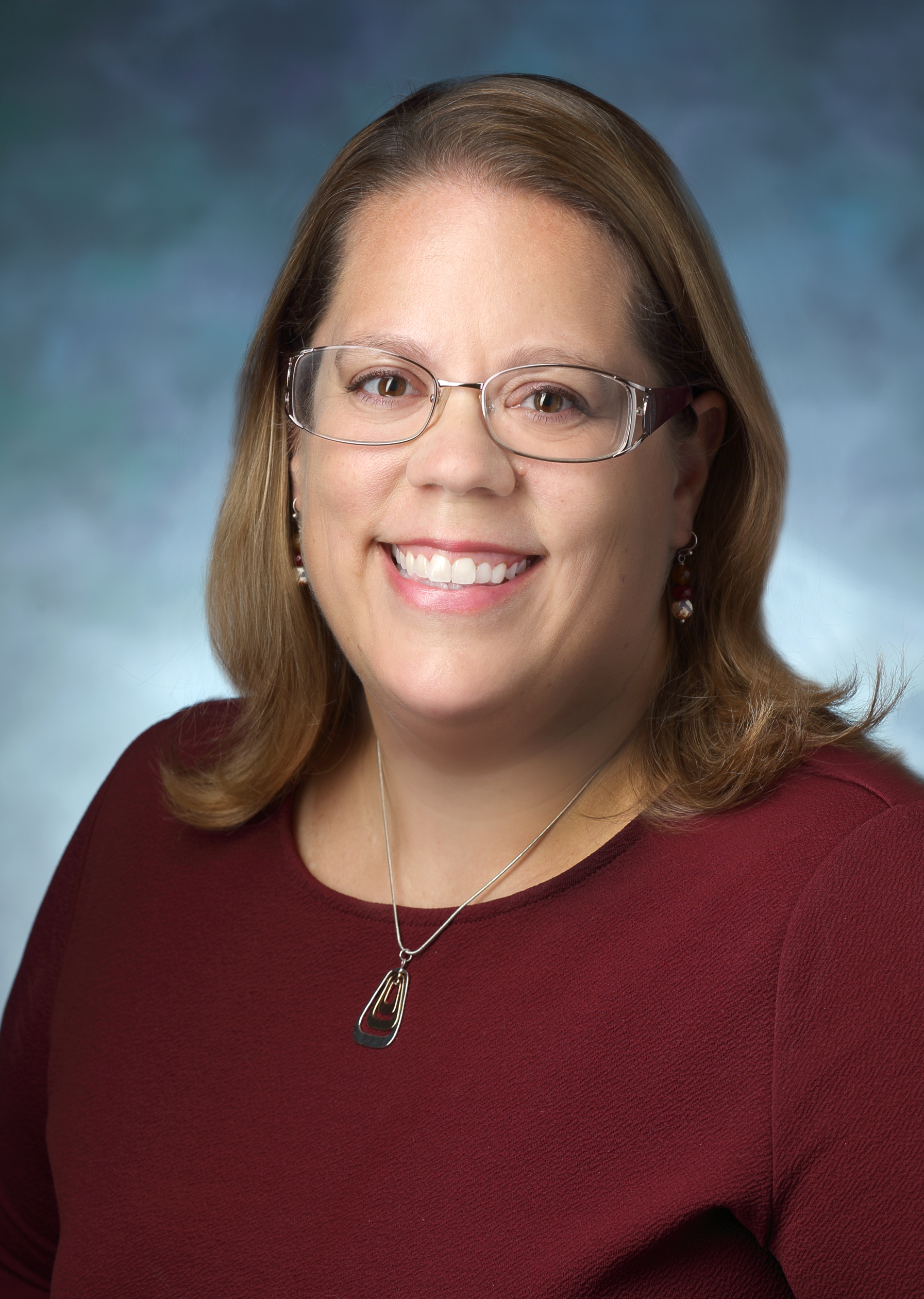
By Jessica Merrey, PharmD, MBA, BCPS, BCACP, BCGP
Vice Chair, Ambulatory Care Pharmacy Specialty Council
Throughout pharmacy school my plan for my future was clear. I would open, or at least buy into, an independent pharmacy so that I could spend more time interacting with patients than what I saw in large-scale pharmacies. I had no intention of pursuing a residency, and it was nowhere on my radar that I would eventually invest nearly 20 years into medication quality improvement projects, precepting students and residents, and engaging in board certification activities. Little did I know, my career trajectory would change thanks to my APPE rotations and encouragement from a resident mentor.
Realizing in October of my final year of pharmacy school that I wanted to pursue residency made me feel behind the proverbial eight ball. I had six weeks before Midyear to make it appear as if a career in ambulatory care had been my passion all along. Interviewing for residency training that year was one of the first instances in which I recall experiencing imposter syndrome. First described in 1978 by psychologists Pauline Rose Clance and Suzanne Imes, Imposter Phenomenon, now called a syndrome, occurs when someone doubts their own abilities and accomplishments compared with others, despite evidence to suggest the contrary. “I don’t belong in a residency program; I didn’t even pursue the clinical track in school.” Fast forward to my first job out of residency. “I just graduated residency; how can I be the person in charge of implementing hospital-wide anticoagulation monitoring by the pharmacists?” I am nearly 20 years into my career and still experience moments of self-doubt, however board certification helps me push back against those negative thoughts.
I entered the ambulatory care pharmacy field prior to the development of the Board Certified Ambulatory Care Pharmacy (BCACP) certification. I was first board certified in Pharmacotherapy (BCPS), and when BCACP was introduced, it aligned more closely with my clinical practice and professional focus. As my passion for geriatric pharmacy blossomed and I pursued the CGP credential, the precursor to the Geriatric Pharmacy Specialty Certification (BCGP), imposter syndrome returned. “I have many older adults in my clinics but it’s not 100% of my practice. I don’t have any geriatric acute care or long-term care experience since residency. How can I claim to be a geriatric pharmacy specialist?” Earning my certifications provided concrete evidence of my knowledge and capabilities. I choose to recertify each of my credentials through completing continuing education, which reinforces my current practice and knowledge, and refreshes the concepts I do not see as often.
As Vice Chair of the BPS Ambulatory Care Pharmacy Specialty Council, I still battle imposter syndrome, but I fight it with the knowledge that I obtained my certifications, the confidence I gain from maintaining them, and the gratification I feel from volunteering my time to support BPS.