






Pain Management Pharmacy

Pain Management Pharmacy Specialty Certification (BCPMP®)

Target Population: Pharmacists who provide integrated, comprehensive, and accessible healthcare services to patients experiencing pain and associated symptoms.

Program Purpose: To validate that the pharmacist has the advanced knowledge, skills, and experience necessary to optimize the safety and effectiveness of pain pharmacotherapy and supportive care.

Currently, there are more than 50 BPS Board-Certified Pain Management Pharmacists.

Pain Management Pharmacy Specialty Council Members

The purpose of the BPS Specialty Councils is to develop standards and eligibility requirements for board certification, develop examinations and passing standards for certification, and review and approve professional development programs for recertification of board-certified pharmacists. Specialty council members are at the heart of the peer-reviewed and peer-developed nature of BPS Board Certification.

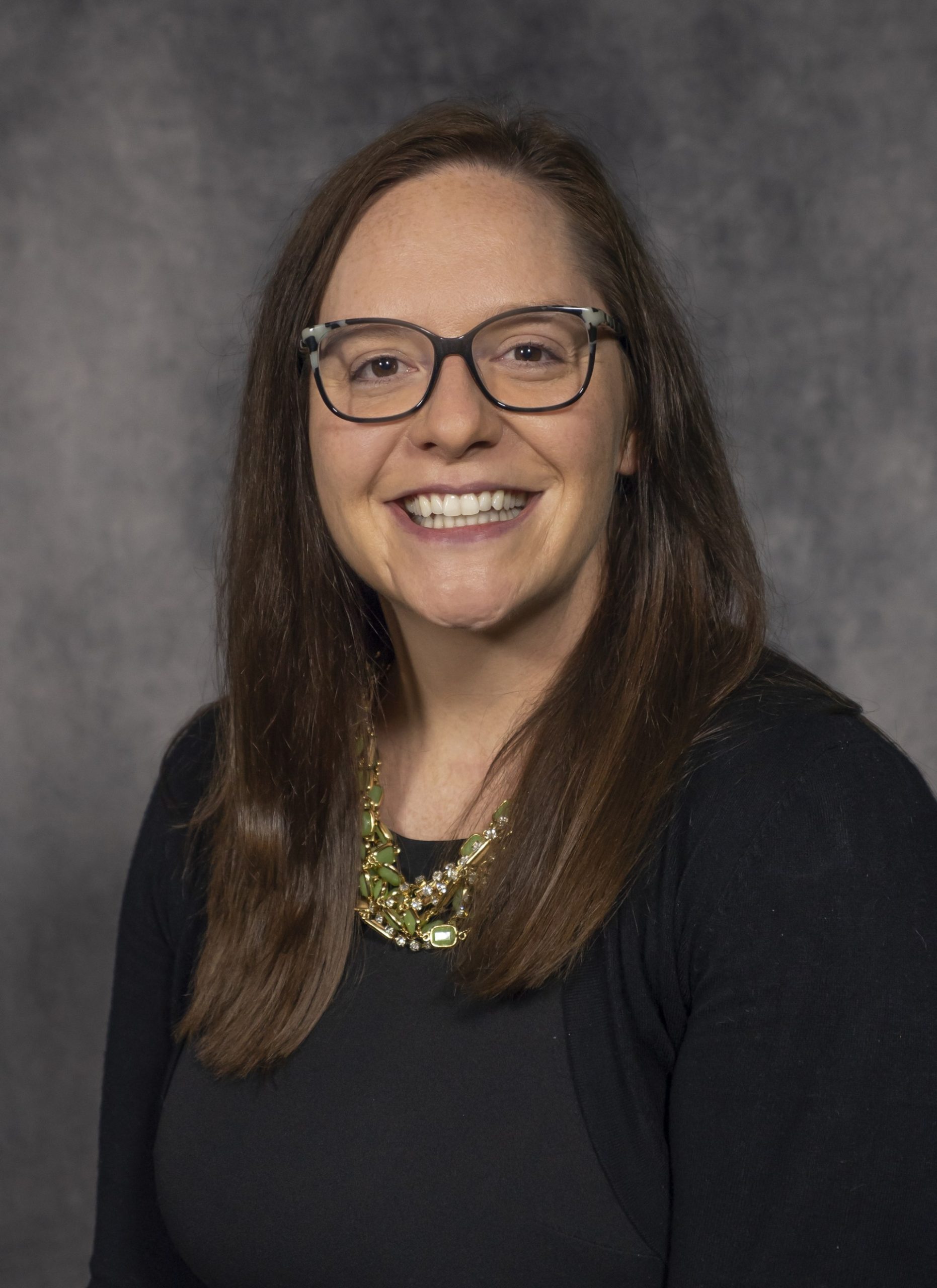
Paige Mathew, Chair PharmD, BCPS, BCGP

Dr. Paige Mathew serves as a Clinical Program Manager within the Veterans Affairs Healthcare System, where she oversees pain management and opioid safety programs for Veterans across Washington, DC, Maryland, and West Virginia. She is frequently consulted to lead program implementation efforts throughout the VA and regularly delivers national presentations on evidence-based practice and safe prescribing.

Dr. Mathew earned her Doctor of Pharmacy degree from the University of Washington in Seattle and completed her PGY1 residency at the Carl T. Hayden VA Medical Center in Phoenix, Arizona. She is dual board-certified in Pharmacotherapy and Geriatric Pharmacy, and has served on BPS Specialty Councils since 2023.

Her clinical practice focuses on optimizing medication regimens for Veterans with chronic pain and complex comorbidities, particularly those residing in rural communities. She is committed to integrating non-pharmacologic therapies into comprehensive, biopsychosocial care models to improve outcomes and quality of life. Her professional interests include expanding access to buprenorphine for pain management, reducing healthcare disparities in underserved populations, and advancing lifesaving opioid stewardship initiatives in rural settings.

Corinne Dolan
Corinne Dolan, Vice Chair PharmD, BCPS

Corinne Dolan, PharmD, BCPS, has over a decade of experience as a clinical pain management pharmacist and recently transitioned into a pharmacy leadership role at Snoqualmie Valley Hospital, a critical access hospital in the Pacific Northwest. She is currently focused on expanding pharmacy services and spearheading pain management programs for both inpatient and outpatient settings in the community. Corinne earned her Doctor of Pharmacy degree from the University of New Mexico and completed her PGY1 residency at St. Joseph Medical Center in Tacoma, Washington, with a concentration in pain management and palliative care. Prior to the transitioning into leadership she sent the past 8 years as a Clinical Pharmacist at UW Medical Center and Fred Hutchinson Cancer Center, specializing in various aspects of pain management. With over a decade of experience in the field, Corinne’s clinical interests include chronic pain management in both inpatient and outpatient settings, mentoring upcoming pharmacists, and educating healthcare teams about the role of pharmacists in pain management. She advocates for patient transparency and collaboration among the healthcare team to ensure optimal and safe patient care.

Christopher P. Alderman, PhD, BPharm, BPsycholSci, BCGP, BCPP, FASCP, FANZCAP, Cert Hypnother

Alderman has longstanding experience in hospital and community pharmacy, aged care and academic practice, currently with Adelaide University. He holds certifications as a specialist clinical pharmacist in psychiatry and geriatrics with the US Board of Pharmaceutical Specialties. He is a past president of the Society of Hospital Pharmacists of Australia and is a frequently sought speaker at national and international conferences, educational seminars, and symposia. His research interests focus on achieving safe and effective use of psychotropic drugs, and the prevention of drug-related harm amongst vulnerable people.

Jacqueline Cleary, PharmD, BCACP

Jacqueline Cleary graduated from Furman University with a bachelor’s Degree of Biochemistry in 2010 and received her Pharm.D. in 2014 from the South Carolina College of Pharmacy, MUSC campus. She completed her post-graduate year one (PGY1) general pharmacy residency training with Sentara Medical System in Norfolk, VA and then completed her post-graduate year two (PGY2) pain and palliative care residency training at the Albany Stratton VA Medical center in Albany, NY. She is also board certified in ambulatory care pharmacy.

She is an Associate Professor at the Albany College of Pharmacy and Health Sciences (ACPHS) in the Department of Pharmacy Practice. Her current practice site is the Saratoga Hospital Medical Group in Saratoga Springs, NY. Jacqueline works as a clinical pharmacy specialist in primary care with a focus in pain management and addiction. She also serves as program director for the PGY-2 Ambulatory Care Pharmacy Practice Residency program between her site and the college. She precepts students and residents as well as practices as part of an interdisciplinary primary care team.

While her clinical interests focus on pain, pharmacogenomics and opioid stewardship, Jacqueline is also a strong advocate for the pharmacy profession. She is outgoing president of New York State ACCP chapter as well as ACCP PRN of Pain and Palliative Care. In addition to her service and clinical work, she also works as the clinical director of naloxone distribution for the ACPHS.

Lacey Davis, PharmD, BCPS, BCPMP, BCGP, FASCP

Lacey Davis is currently the Clinical Pharmacy Manager for Akron Children’s Hospital in Akron, Ohio. Prior to this leadership role, Lacey spent nearly ten years as a clinical pharmacy specialist with the hospice, palliative care, and post-acute care teams. Lacey received her Doctor of Pharmacy degree from Ohio Northern University in 2012, and then she completed a PGY1 residency at Summa Hospital in Akron, Ohio and a PGY2 residency in pain, palliative care, and hospice with The Ohio State University in Columbus, Ohio. Lacey is board certified in pharmacotherapy, geriatrics, and pain management.

Mark Garofoli, PharmD, MBA, BCGP, CPE, CTTS

Mark is a Pitt PharmD graduate, Strayer MBA graduate, Board-Certified Geriatric Pharmacist (BCGP), Certified Pain Educator (CPE), and Certified Tobacco Treatment Specialist (CTTS). His past positions include being a pharmacist leader with CVS Health, Humana, and the WV Safe & Effective Management of Pain (SEMP) Program, along with coordinating the WV SEMP Guidelines Panel. Today, he is WVU School of Pharmacy faculty, WVU School of Pharmacy Director of Experiential Learning, WVU School of Medicine Pain Fellowship Faculty, and a WVU Medicine Pain & Addiction Pharmacist. Mark “Pain Guy” Garofoli has been a 2021 TEDx Talker, CDC grant reviewer, civil/criminal expert witness, seasoned CE developer and presenter, host of the Pain Pod (Pharmacy Podcast Network), Editor of the Pain Press, and publishes the www.painguy.us website.

Christopher M. Herndon, PharmD, BCACP, FASHP, FCCP, CPE, FSPPCP

Chris M. Herndon, PharmD, BCACP, FASHP, FCCP is a Professor with the Southern Illinois University Edwardsville (SIUE) School of Pharmacy. Currently, Dr. Herndon sees patients with chronic pain and opioid use disorder within a family medicine residency clinic. Dr. Herndon was the 2019 president for the Society of Pain and Palliative Care Pharmacists (SPPCP) and current president of the SPPCP Foundation. He is the 2006 recipient of the “Pain Champion Award” from the Alliance of State Pain Initiatives, the 2012 recipient of the “Academic Pain Educator of the Year Award” from the American Society of Pain Educators, the 2016 “Pharmacist of the Year” from the Illinois Pharmacist’s Association, and the 2018 recipient of the Distinguished Service Award from the American Pain Society.

Courtney Kominek, PharmD, BCPS, CPE

Courtney Kominek graduated from the University of Pittsburgh with a Doctor of Pharmacy, then completed a PGY1 at the Dayton VA in Ohio and a PGY2 in Pain and Palliative Care at the VA in West Palm Beach, FL. She has been a clinical pharmacist practitioner in pain management for 10 years at the Harry S. Truman Memorial Veteran’s Hospital in Columbia, MO. In 2022, she became the residency program director for the facility’s new PGY1 Pharmacy Residency Program.

Jayne Pawasauskas, PharmD, BCPS, BCPMP

Jayne Pawasauskas, PharmD, BCPS, BCPMP is a Clinical Professor of Pharmacy at the University of Rhode Island College of Pharmacy. She is responsible for pain management content in the Doctor of Pharmacy program in required coursework, and has been teaching an interdisciplinary elective course in Palliative Care at the University for over 20 years. She is currently Chair of the College of Pharmacy Curriculum & Assessment Committee, ensuring achievement of programmatic learning outcomes. She provides pharmacy consultative services to Baxter Palliative Care, a home-based palliative care medical practice that cares for patients with complex symptom management needs. Additionally, in other clinical academic roles at inpatient internal medicine hospitals, she served as a resource for providers with complex pain management cases, and precepted students completing their clinical rotations in general internal medicine. She has co-chaired pain management-focused committees and worked closely with medical staff to create pain management protocols and perform drug safety surveillance. She is a past Chair of the Pain & Palliative Care Practice & Research Network of the American College of Clinical Pharmacy. She has served as a member of a hospital Institutional Review Board (IRB) and continues to serve on the University of Rhode Island’s IRB. Her research activities have involved examining drug therapy approaches to (1) reduce opioid-related adverse events in hospitalized patient populations, (2) explore safe and effective analgesic strategies for nursing home residents, and (3) evaluate strategies to improve symptom management and medication-related challenges for palliative care patients in the home setting. Her current interests involve best practices for implementing artificial intelligence-based approaches in clinical and didactic teaching for pharmacy students.

Bridget Scullion, PharmD, BCOP, FSPPCP

Dr. Scullion is the Senior Director of Clinical Pharmacy Practice and Professional development at Dana-Farber Cancer Institute. She graduated with a B.S. and PharmD from St. Louis College of Pharmacy and subsequently completed a Specialty Residency in Palliative Care at University of Maryland, School of Pharmacy. She has been at Dana-Farber Cancer Institute as a Clinical Pharmacy Specialist in Palliative Care since 2001. Additionally, she was Clinical Pharmacy Manager for 10 years and Director of Clinical Pharmacy Services for 9 years. Dr Scullion is a Board-Certified Oncology Pharmacist, Residency Program Director for an ASHP-accredited PGY-2 Pain Management and Palliative Care Pharmacy Residency program which is integrated into the Harvard Interprofessional Palliative Care Fellowship. Dr. Scullion is a fellow and founding member of the Society of Pain and Palliative Care Pharmacists (SPPCP) and currently serves as the Nominations Committee Chair for SPPCP. She is a past president of SPPCP and past treasurer of the SPPCP Foundation.

Sarah Torok, PharmD, RPh, BCPMP, AAHIVM

Sarah Torok is the Pharmacy Manager at the David Powell CommUnityCare Health Center, a Federally Qualified Health Center in Austin, Texas, and a Clinical Pharmacist specializing in pain management for underserved populations. She is currently transitioning into a newly created full-time Pain Management and Substance Use Disorder Pharmacist role, where she is building a systemwide consultative pain management service for CommUnityCare Health Centers.

She leads a multidisciplinary pain management pilot at David Powell Clinic, coordinating care with primary care, behavioral health, and specialty teams and providing pain management consultation through both in-person and virtual collaboration. As Chair of the Pain Management Oversight Committee, she oversees the development of clinical standards, operational workflows, and provider education initiatives related to chronic pain, controlled substances, and safe opioid prescribing. She authored the organization’s Chronic Pain and Chronic Opioid Therapy Clinical Standard and associated provider toolkit, which guide pain care across the system.

In addition to her pain management leadership, Dr. Torok holds AAHIV certification and provides care to individuals experiencing homelessness through CommUnityCare’s Street Medicine program. Her clinical interests include chronic pain in underserved populations, multimodal analgesia, opioid stewardship, and the integration of behavioral health and substance use disorder services into primary care.

Dr. Torok earned her Doctor of Pharmacy degree from MCPHS University in Boston, Massachusetts, and holds a certificate in Pain Management from MCPHS University.

Julie Waldfogel, PharmD, BCGP, BCPMP

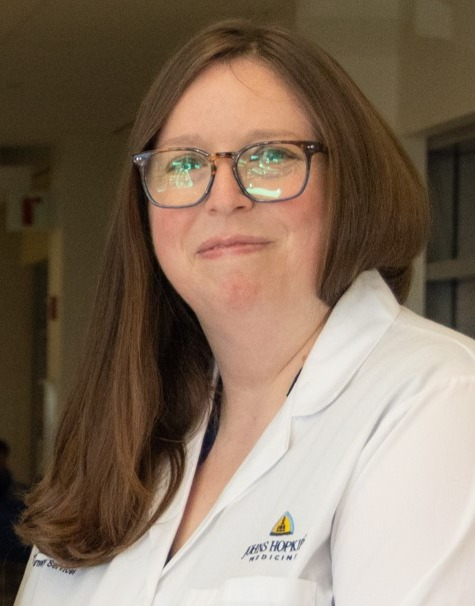
Julie Waldfogel is a Clinical Pharmacy Specialist at The Johns Hopkins Hospital specializing in pain management and palliative care. She graduated from the University of Florida College of Pharmacy and completed her PGY1 Pharmacy Practice Residency at the North Florida/South Georgia VA Health System before completing her PGY2 Pain and Palliative Care Residency at The Johns Hopkins Hospital. She currently practices as a part of the palliative care team in the ambulatory setting, providing care to patients in the hospital’s outpatient palliative care clinics. Julie is a founding member of the Society of Pain and Palliative Care Pharmacists (SPPCP) and currently serves on the Research Committee and chairs the annual SPPCP Research Forum.

Eligibility Requirements

An applicant for board certification in Pain Management Pharmacy must demonstrate all of the eligibility requirements listed below prior to sitting for the initial certification examination. Once all of the requirements below are met, an applicant will be deemed eligible to sit for the Pain Management Pharmacy specialty certification examination. If an applicant achieves a passing score on the Pain Management Pharmacy specialty certification examination, they may use the designation Board-Certified Pain Management Pharmacist.

  • Refer to the Pain Management Pharmacy Examination Content Outline here for details on eligibility requirements, effective dates, and more.

The rationale for the appropriateness of the requirements for BPS certification programs are based upon the following:

  • BPS recognizes individuals who graduate from a recognized school or college of pharmacy within the candidate’s jurisdiction. Those jurisdictions recognize and evaluate programs on the extent to which it accomplishes its stated goals and is consistent with the concept that pharmacy is a unique, personal service profession in the health science field. In the United States, the responsibility for recognizing schools and colleges of pharmacy falls to the Accreditation Council for Pharmacy Education (ACPE).
  • The rationale for requiring licensure or registration of pharmacists within their jurisdiction is based upon the fact that for public protection, all pharmacists must be licensed or registered. This is considered a baseline requirement to be a pharmacist specialist. In the United States, BPS recognizes the licensure process administered by the National Association of Boards of Pharmacy (NABP). The National Association of Boards of Pharmacy (NABP) aims to ensure the public’s health and safety through its pharmacist license transfer and pharmacist competence assessment programs. NABP’s member boards of pharmacy are grouped into eight districts that include all 50 United States, the District of Columbia, Guam, Puerto Rico, the Virgin Islands, Bahamas, and all 10 Canadian provinces.
  • The experiential component is required to help assure practical application of components of the specialty knowledge being certified. There are multiple pathways to meet the practice experience requirement. The faster eligibility pathways recognize accredited residencies through the American Society of Health System Pharmacists (ASHP). The ASHP residency accreditation program identifies and grants public recognition to practice sites having pharmacy residency training programs that have been evaluated and found to meet the qualifications of one of the ASHP’s residency accreditations standards. Thus, accreditation of a pharmacy residency program provides a means of assurance to residency applicants that a program meets certain basic requirements and is, therefore, an acceptable site for postgraduate training in pharmacy practice in organized health care.
  • Passing the BPS pharmacy specialty examination helps assure knowledge consistent with the validated content outline for the BPS specialty.

The appropriateness of the BPS program requirements are consistent with the Council on Credentialing in Pharmacy’s Resource Paper titled: Scope of Contemporary Pharmacy Practice: Roles, Responsibilities, and Functions of Pharmacists and Pharmacy Technicians.

Upcoming Deadlines

Individuals who meet the eligibility requirements for the BCPMP examination can find more information about examination dates and fees for certification examinations here

Candidate's Guide

The Candidate’s Guide is intended for use by pharmacists who are interested in becoming certified as specialists by BPS in any of the BPS-recognized specialty practice areas. To review critical information for BPS Certification Examinations, visit this page.

Content Outline for BCPMP

Refer to the Pain Management Pharmacy Examination Content Outline here for details on eligibility requirements, effective dates, and more.

The examination content outline is a product of a job analysis, also known as a role delineation study, that includes discussions with a panel of 15-20 subject matter experts who represent the specialty area. These experts determine the competencies required for safe and effective pharmacy practice in the specialty area and engage board-certified pharmacists through a validation survey for their endorsement of the identified competencies. The job analysis process is conducted every 5 years to help ensure that the competencies in the examination content outline reflect current pharmacy practice in the specialty area.

  • Click here to review the 2024 BCPMP Job Analysis Summary.

Important Resources

Preparing for the BCPMP Examination

Certification is a significant differentiator, and the rigorous exam process requires concentrated study. Successful candidates are well prepared, and a number of available resources can assist pre-qualified applicants.

Suggested preparation for the examination might include:

  • The study of journal articles, textbooks or other publications related to the Content Outline.
  • Attendance at continuing education programs and courses in specialized pharmacy practice.
  • Participation in study groups and examination preparation courses.
  • Reviewing the sample examination items provided in order for candidates to familiarize themselves with the various item formats which are presented on the exam. Sample question performance should not be interpreted as an indicator of exam performance.

To maintain its strict, independent standards for certification, BPS does NOT provide review information, preparatory courses, or study guides. However, such materials are available from outside organizations, state or local professional associations and colleges of pharmacy. Potential applicants may contact the professional associations noted below for additional study resources.

BPS partners with Pearson to provide the examination. BPS does not have any other partnerships for the certification or recertification application process. BPS partners with professional development program (PDP) providers to provide continuing pharmacy education (CPE) for recertification and the relationship is noted here. Any organization claiming a relationship with BPS for the application process or providing CPE labeled ‘BPS-approved’ outside of the organizations listed should be reported to BPS immediately.

Certification for Applicants Outside the U.S.

BPS would like to offer some helpful tips to candidates outside of the United States in order to make their application experience easier. To learn more about applying for board certification as a pharmacist outside of the U.S., visit this page

Apply for ADA Accommodations 

BPS complies with the relevant provisions of the Americans with Disabilities Act (ADA). For applicants looking to request special accommodations in their application process, more instructions can be found on this page.

Frequently Asked Questions

After review of the BPS Candidate’s Guide and specialty certification page, some applicants may still have questions. Visit this page to see frequently asked questions from pharmacists pursuing board certification like you!

Recertification Requirements for BCPMP

Pharmacists who earn the designation Board-Certified Pain Management Pharmacist® (BCPMP) are required to maintain their certification over a seven-year period by completing one of the following recertification pathways:

Option One: Recertification Examination

  • Achieve a passing score on the recertification examination administered by BPS and self-report up to 20 units of continuing professional development (CPD).  Assessed continuing pharmacy education (CPE) from BPS-approved professional development programs can also satisfy this requirement. For more information on CPD, review the FAQ. To maintain an active certification in good standing, a minimum of two units of assessed CPE from BPS-approved professional development programs or self-reported CPD must be reported each year.

OR

Option Two: Professional Development Program

Click here to view a simplified comparison infographic to learn more about the differences between the CPE and CPD recertification frameworks.

Year certified/recertified

New cycle start

(begin earning recert units)

Cycle expiration

(deadline to meet recert reqs)

Units required 

(PDP = professional development program)

20191/1/202012/31/2026100 units assessed CPE via BPS-approved PDP
20201/1/202112/31/2027100 units assessed CPE via BPS-approved PDP
20211/1/202212/31/2028100 units assessed CPE via BPS-approved PDP
20221/1/202312/31/2029100 units assessed CPE via BPS-approved PDP
20231/1/202412/31/2030100 units (80 units assessed CPE via BPS-approved PDP + 20 units CPD)
2024 onward1/1/2025 onward12/31/2031 onward100 units (80 units assessed CPE via BPS-approved PDP + 20 units CPD)

For full details regarding recertification, please refer to the BPS Recertification Guide.

Board-Certified Pain Management Pharmacists are required to pay the BPS Annual Certification Maintenance Fee of $125 each year for years one through six and the $400 recertification fee in year seven. Individuals with more than one BPS certification are assessed one BPS Annual Certification Maintenance Fee each year.

Upcoming Deadlines

BCPMP certificants are required to recertify every 7 years. Certificants must submit their recertification application no later than the deadline of August 17. BPS encourages candidates to submit their recertification application as early as January 1 of their recertification year.

Candidates who intend to recertify via examination should note the availability of the recertification examination and related application deadlines. Candidates recertifying their BCPMP credential by examination can find more information about examination dates and fees here

Candidates who intend to recertify via continuing pharmacy education (CPE) MUST submit their recertification application by the deadline date of August 17 even if they have not completed their CPE requirements.

The deadline to complete the required CPE for recertification is December 31 for all specialties. The board-certified pharmacist is responsible for submitting an application that is completely and accurately filled out. Incomplete and/or unpaid applications will not be processed.

Recertification Guide

The recertification guide is intended to provide BPS-certified pharmacists with information on the recertification process. To review recertification information, visit this page.

CPE Providers

Recertification via professional development program requires 100 units. Earn at least 80 units of assessed continuing pharmacy education (CPE) from BPS-approved professional development programs and self-report up to 20 units of continuing professional development (CPD) by the end of the 7 year recertification cycle (assessed CPE can also satisfy this requirement).*

* A minimum of 2 units of CPD or BPS-approved, assessed CPE must be earned annually, regardless of recertification pathway.

BCPMP may participate in recertification from any BPS-approved BCPMP programs.

Content Outline for BCPMP

Refer to the Pain Management Pharmacy Examination Content Outline here for details on eligibility requirements, effective dates, and more.

The examination content outline is a product of a job analysis, also known as a role delineation study, that includes discussions with a panel of 15-20 subject matter experts who represent the specialty area. These experts determine the competencies required for safe and effective pharmacy practice in the specialty area and engage board-certified pharmacists through a validation survey for their endorsement of the identified competencies. The job analysis process is conducted every 5 years to help ensure that the competencies in the examination content outline reflect current pharmacy practice in the specialty area.

  • Click here to review the BCPMP Job Analysis Summary.

Important Resources

Logging CPD Activities (Video)

Watch a step-by-step video walkthrough of how to report CPD activities in MyBPS once a certificant begins a new certification cycle. For CPD categories and descriptions, see the “How will CPD activities contribute to recertification?” question in the CPD FAQs.

CPD Annual Reflection and Plan (ARP) Sample

Click here to view a sample Annual Reflection and Plan (ARP) to help guide formatting and structure for your CPD annual reflection and learning plan. 

CPD Activity Evaluation Sample

Click here to view a sample CPD activity evaluation (scholarly activity) to help guide how evaluations may be documented for CPD credit. This sample is for guidance and is not the only acceptable format.

Frequently Asked Questions

After review of the BPS Recertification Guide, some applicants may still have questions. Visit this page to see frequently asked questions from pharmacists renewing their certification like you!

Testimonials

I am a board-certified oncology pharmacist. This certification encourages me to always seek new oncology literature to improve patient care and safety. I am also grateful for all the multi-disciplinary, academic, and research opportunities that have opened from being a board-certified pharmacist.

Holding board certifications through the Board of Pharmacy Specialties has not only provided me with a network of peers with similar clinical interests and expertise, but it allows me to demonstrate to colleagues and patients that I am clinically competent and will be able to provide the best care possible!

To my patients and to the public, my BPS lapel pin and designations open a conversation about how seriously board-certified pharmacists take patient care and what we are willing to invest to ensure that we are at the top of our game. Board certification is a stamp of quality in the care we deliver.

Board certification promotes quick identification of other pharmacists who share either a similar or different board certification as well as offers networking opportunities within each specialty. I’ve reached out to other board certified colleagues to collaborate on difficult clinical scenarios only to learn more through our discussion.

BPS Board Certification is an asset to my practice as a pharmacist and to my role on a health care team; they know I have met the standards for board certification in oncology and maintain my BCOP credential, which instills an elevated level of trust.

I maintain and support board certification because it is the gold standard for high quality clinical practice, demonstrates dedication to continuous learning and practice improvement. Board certification provides professional satisfaction and career advancement. When I see a BPS credential, I know that pharmacist is a qualified practitioner.

I initially pursued board-certification as an assessment of my clinical knowledge following residency training. Maintaining board certification has helped me continue practicing at the top of my license, precept and mentor all levels of learners, and stay up to date on emerging literature and practice changes.

One of the additional benefits of board certification is the accountability to lifelong learning. It has been said that “learning never ends,” and it is downright true. Aside from learning through pharmacotherapy CE modules, board certification has even opened doors to learning more at work.

0/0

Certification Verification

BPS offers the ability to search and verify a Board-Certified Pharmacist by name or credential number. 

BPS Logo
Privacy Overview

This website uses cookies so that we can provide you with the best user experience possible. Cookie information is stored in your browser and performs functions such as recognizing you when you return to our website and helping our team to understand which sections of the website you find most interesting and useful.

Click here to review the BPS Privacy Statement.