


Emergency Medicine Pharmacy Specialty Certification (BCEMP)
Target Population: Pharmacists who specialize in the care for patients at the bedside in emergency medicine settings.
Program Purpose: To validate that the pharmacist has the advanced knowledge and experience to provide quality patient care and improve therapeutic outcomes for patients in emergency medicine settings.
Currently there are more than 930 BPS Board-Certified Emergency Medicine Pharmacists.
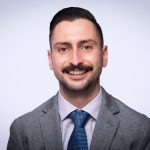
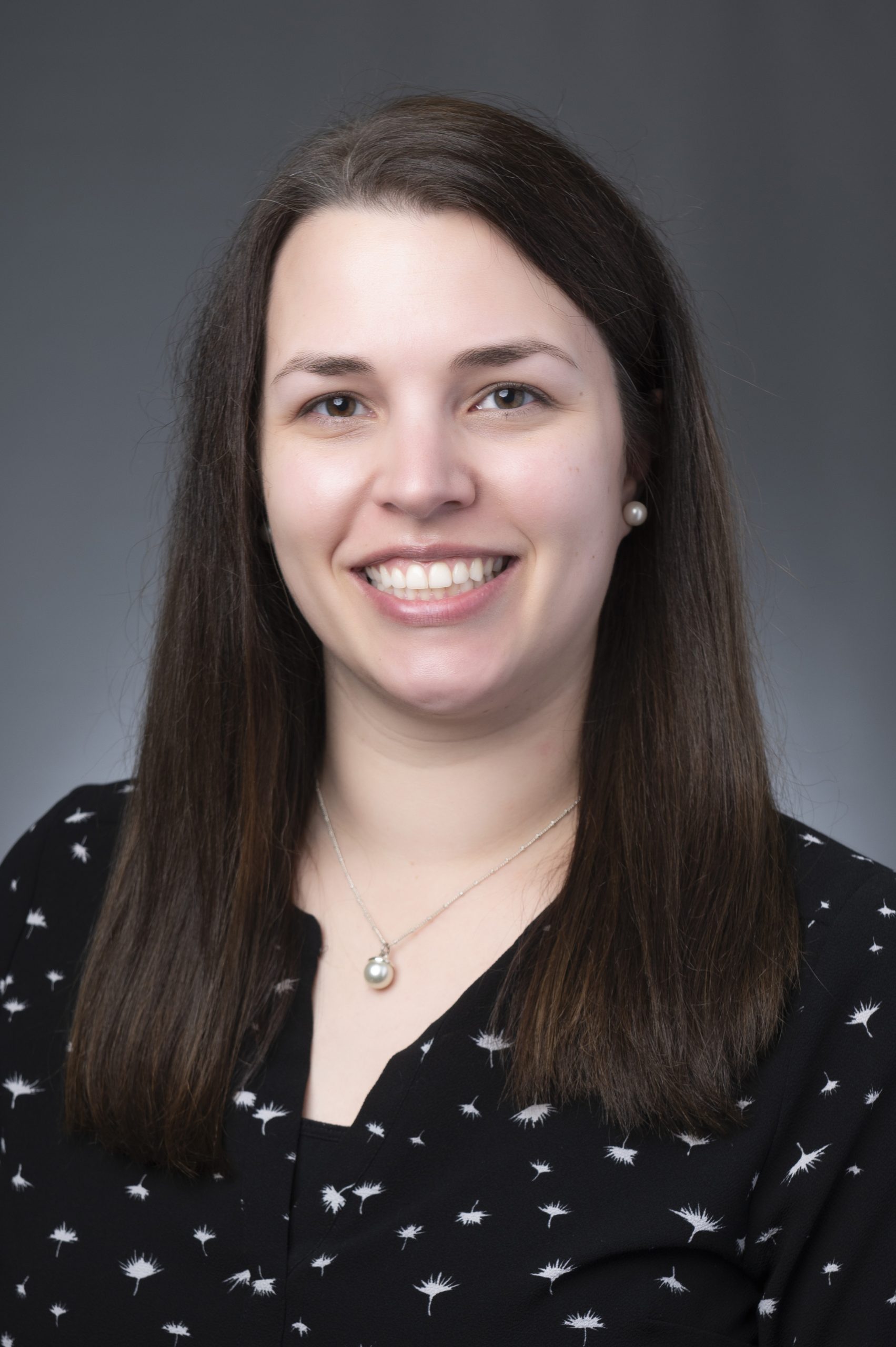
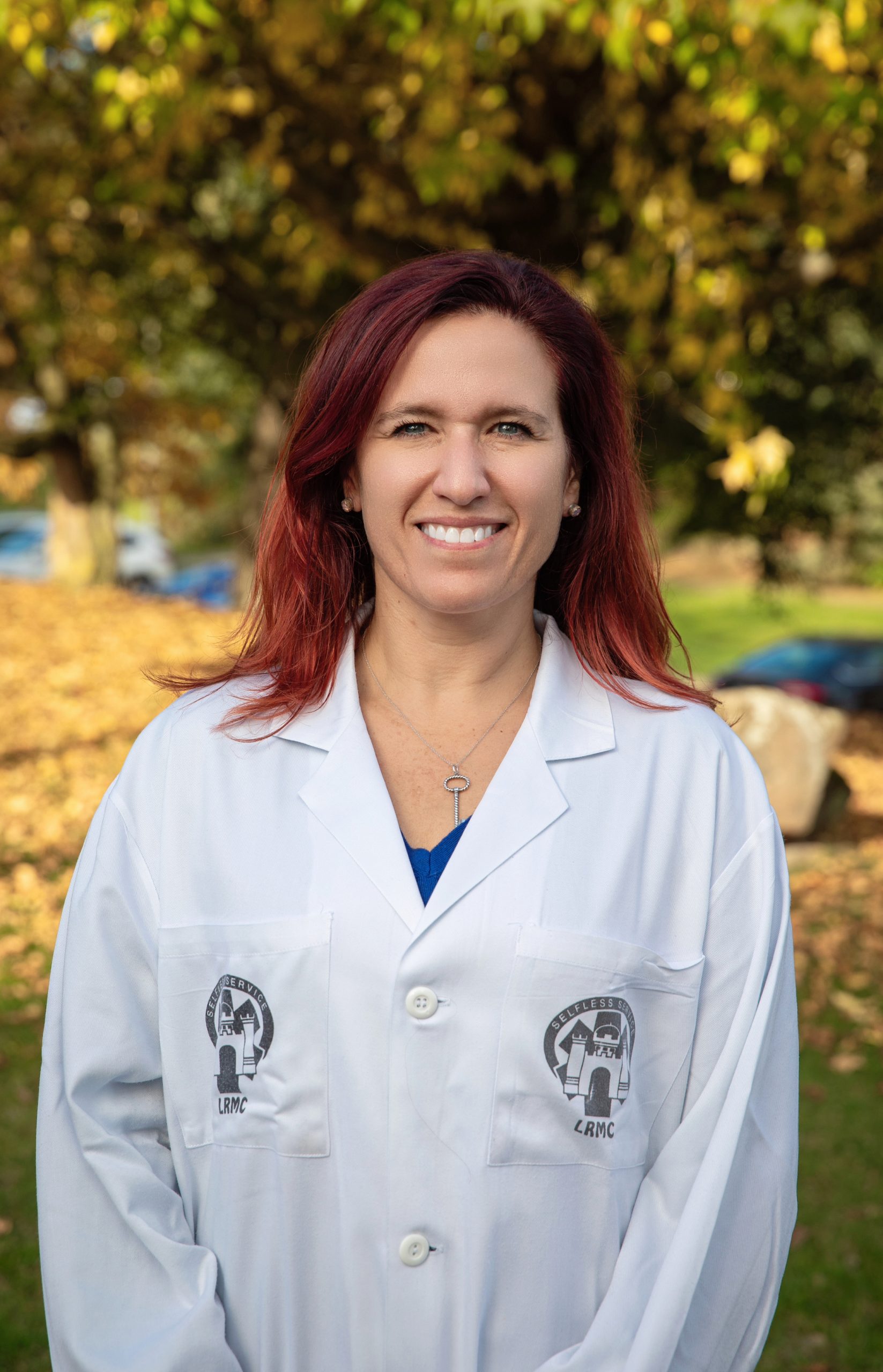
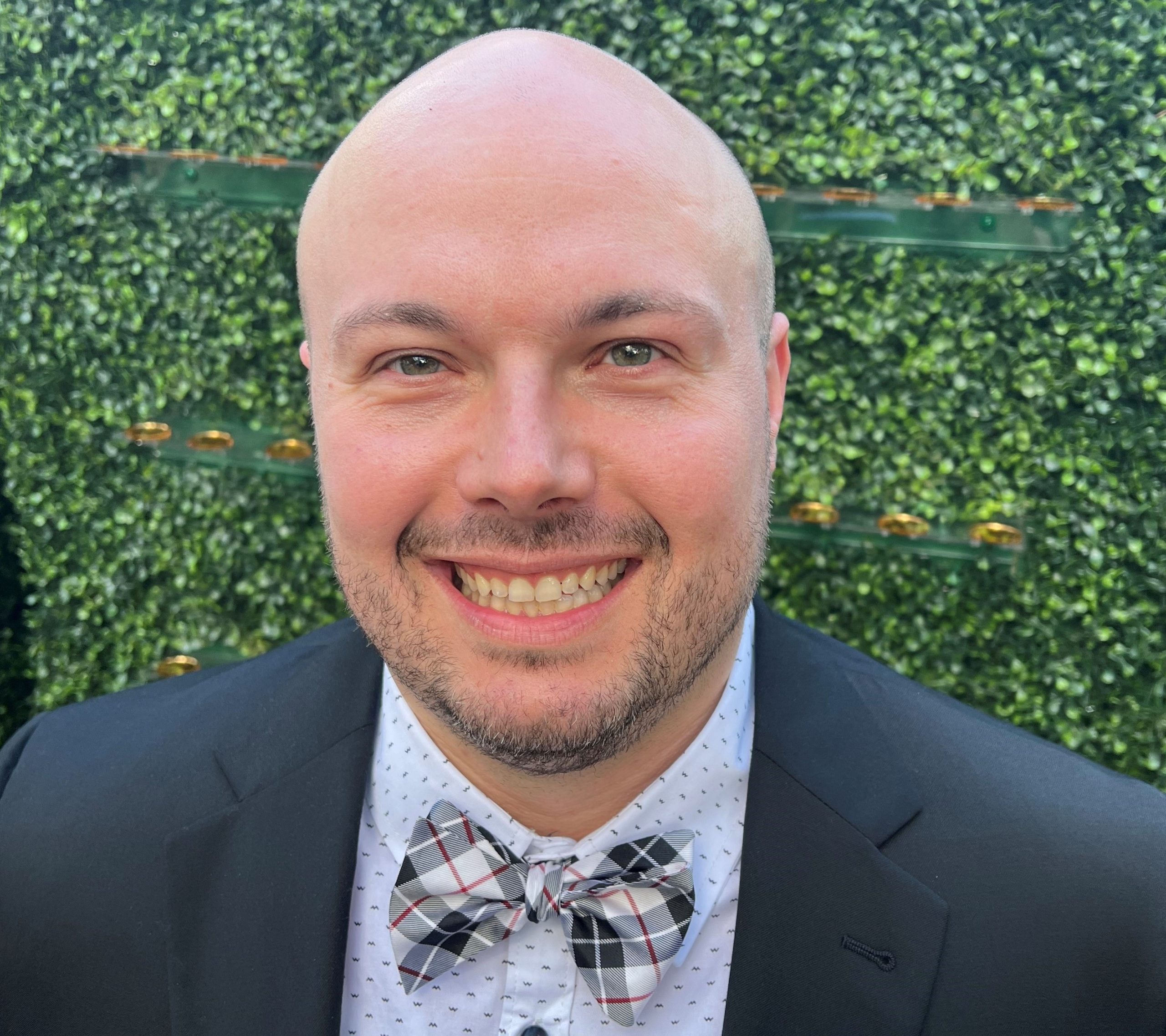
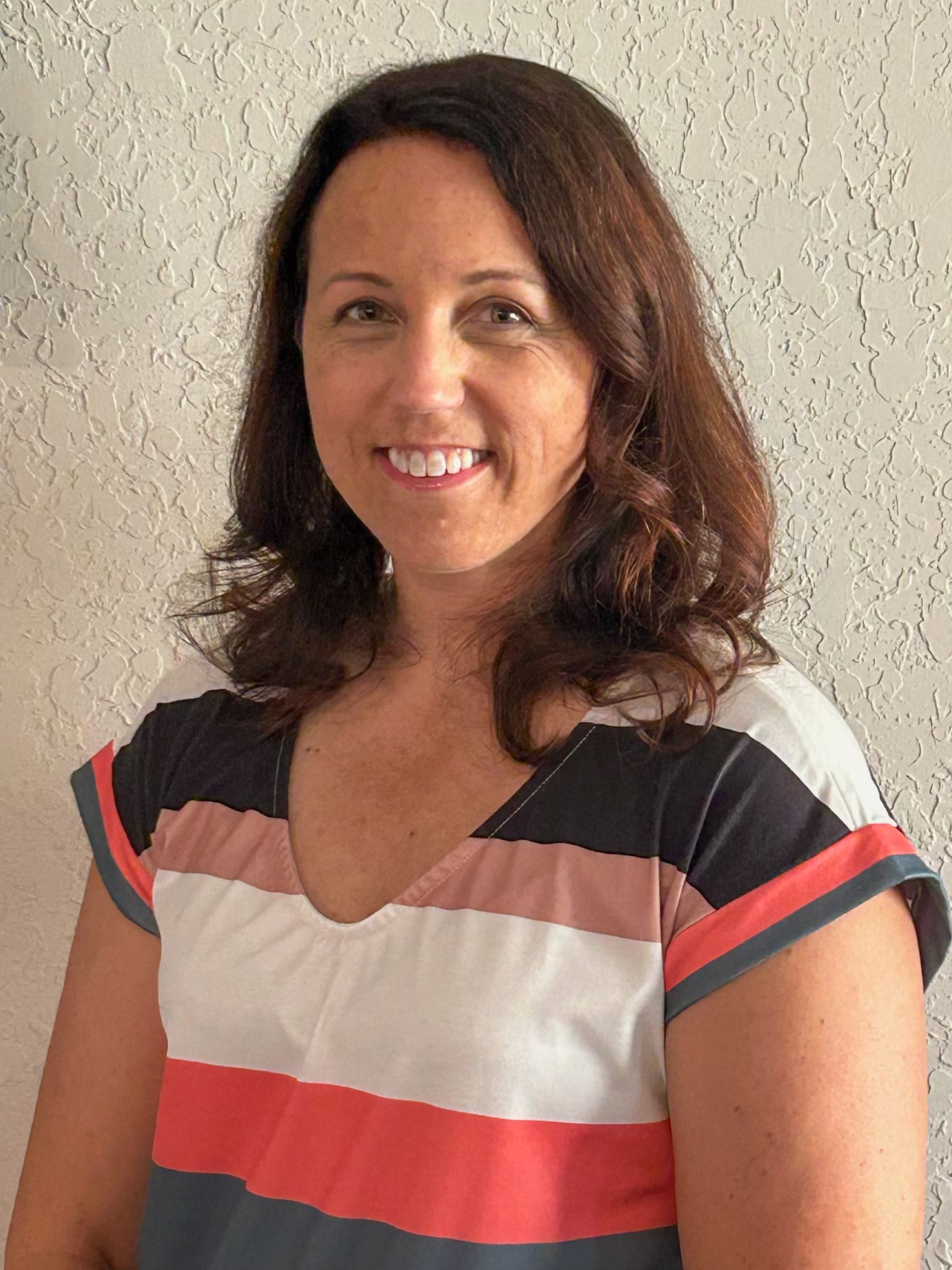
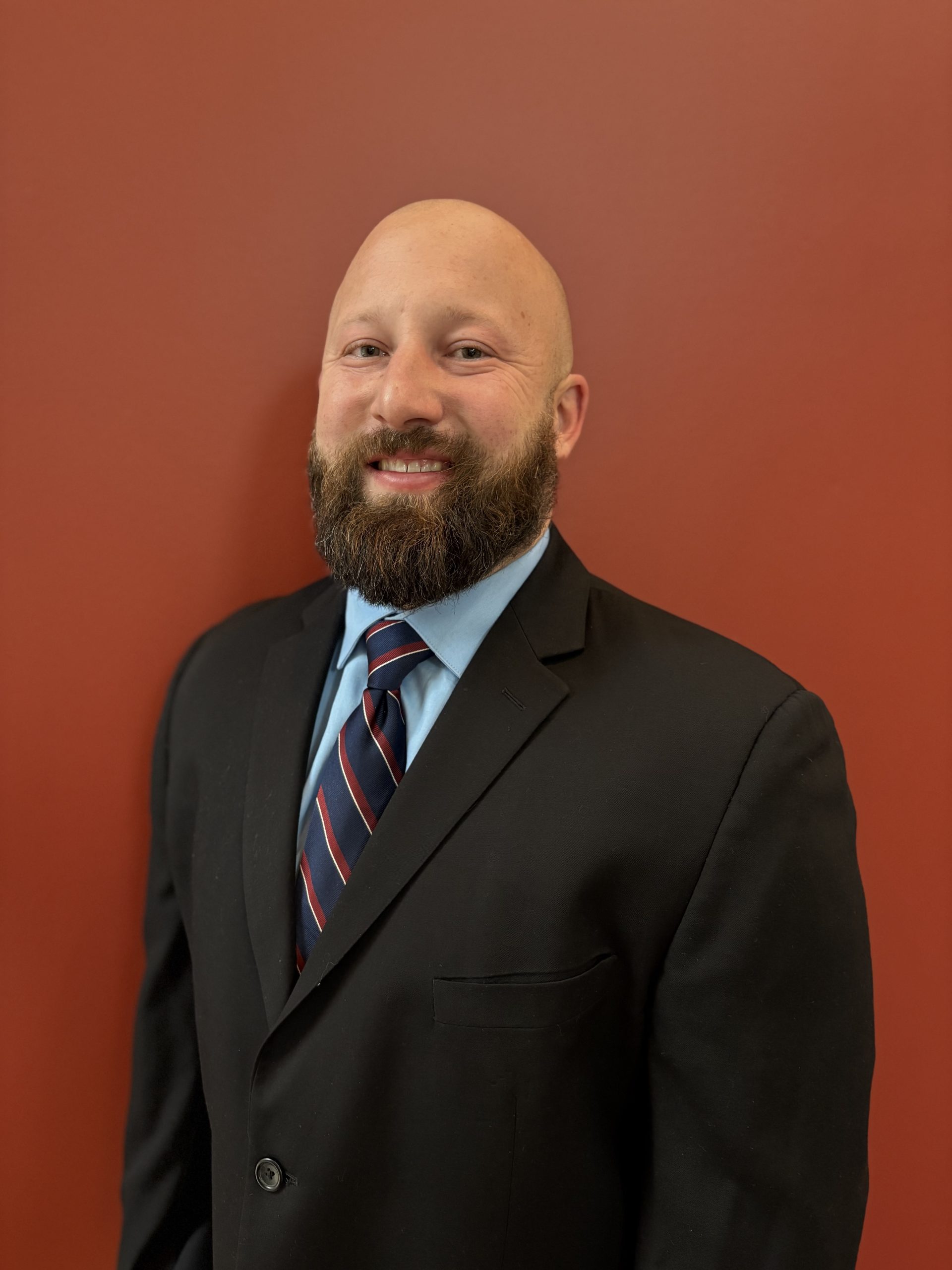
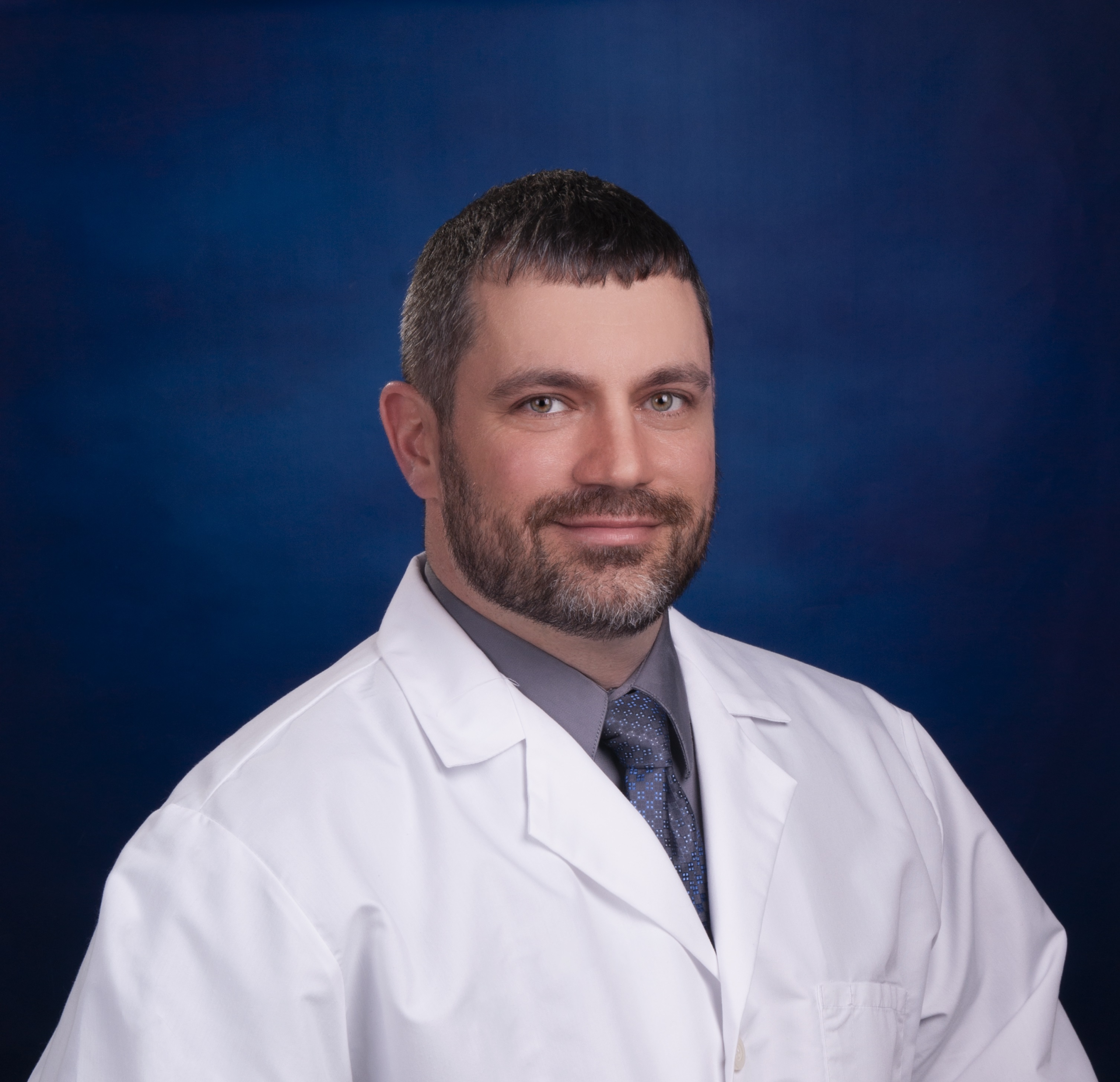
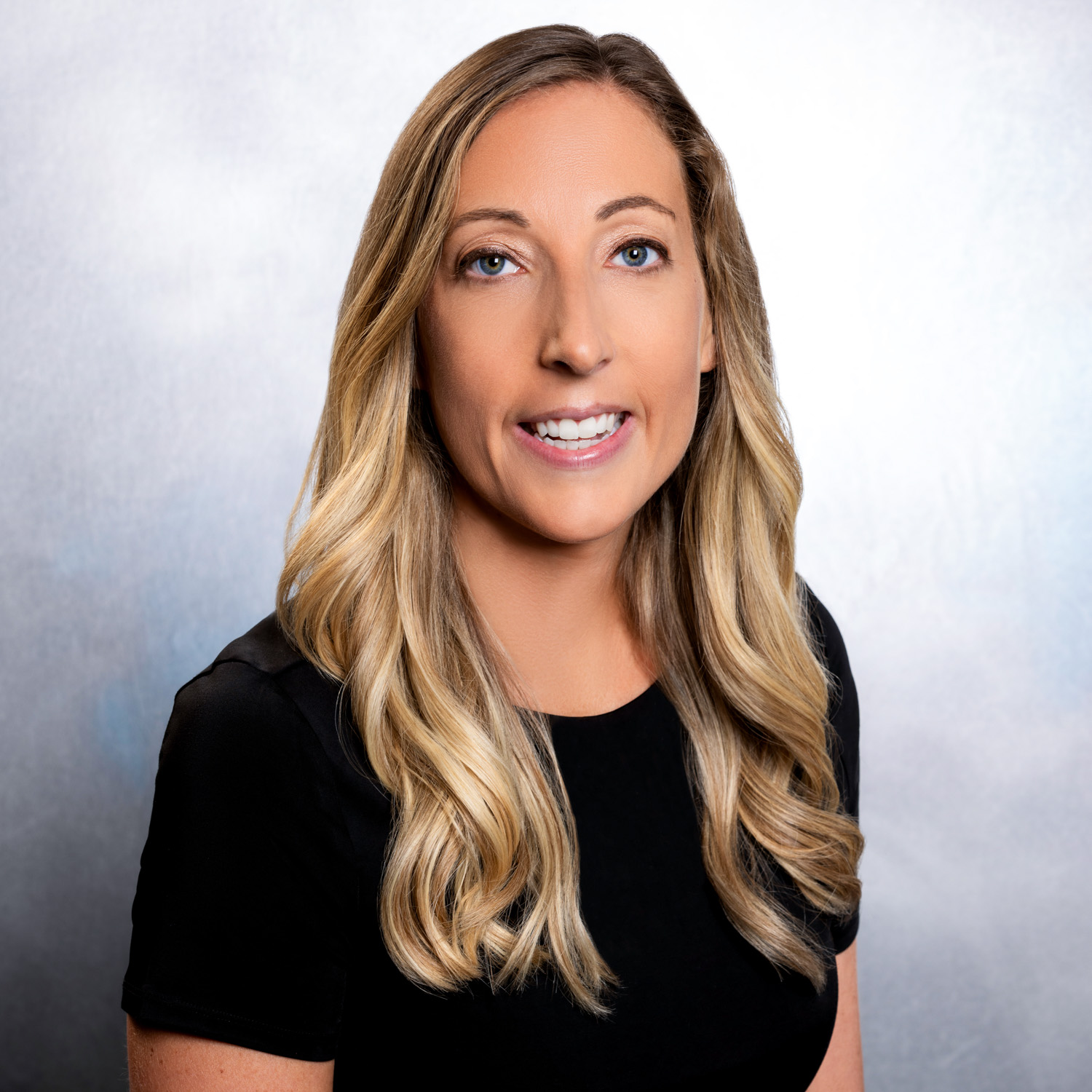
Emergency Medicine Pharmacy Specialty Council Members
The purpose of the BPS Specialty Councils is to develop standards and eligibility requirements for board certification, develop examinations and passing standards for certification, and review and approve professional development programs for recertification of board-certified pharmacists. Specialty council members are at the heart of the peer-reviewed and peer-developed nature of BPS Board Certification.
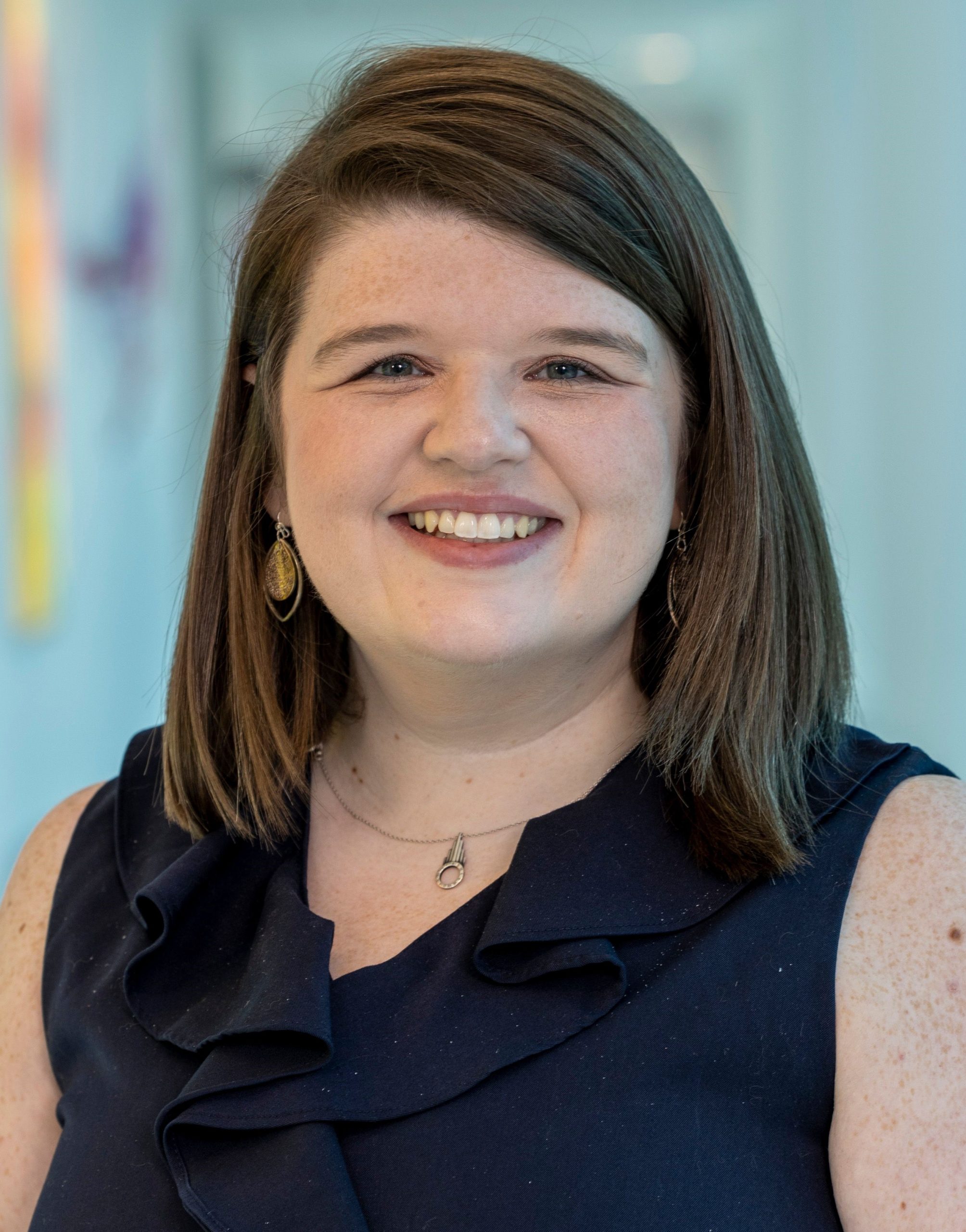
Megan Webb is an Emergency Medicine Clinical Pharmacy Specialist at Baptist Health Louisville in Louisville, Kentucky. She also serves as a voluntary faulty preceptor for the University of Kentucky College of Pharmacy and Sullivan University College of Pharmacy and Health Sciences. After she received her PharmD from the University of Kentucky College of Pharmacy, she completed a PGY1 Pharmacy residency and PGY2 Critical Care residency at University of Cincinnati Medical Center in Cincinnati, Ohio. Megan has been practicing in Emergency Medicine since 2016 and her areas of clinical interest include anticoagulation reversal, neurology, and toxicology.
Preeyaporn (Pree) Sarangarm is a Quality and Medication Safety Coordinator at Presbyterian Healthcare Services in Albuquerque, New Mexico, a role she began in 2025. Prior to this transition, she served for 10 years as a Pharmacy Supervisor at the University of New Mexico Hospital (UNMH), where she oversaw clinical and operational pharmacy services for the Emergency Medicine and Critical Care areas. During her time at UNMH, Dr. Sarangarm practiced as a clinical pharmacist in the Emergency Department and was instrumental in expanding pharmacy services to 24-hour coverage. She also served as the PGY2 Emergency Medicine Pharmacy Residency Program Director, playing a key role in training and mentoring residents and advancing emergency medicine pharmacy practice at the state’s only Level I trauma center and academic medical center. Dr. Sarangarm is actively involved in the Academy of Emergency Medicine Pharmacists (AEMP) through the Society for Academic Emergency Medicine (SAEM) and has broad research interests focused on optimizing pharmacotherapy and enhancing medication safety in the emergency care setting.
Katelyn Dervay is an inpatient pharmacist at Landstuhl Regional Medical Center (LRMC) in Landstuhl, Germany, a Level 2 Trauma Center serving the U.S. military throughout Europe and Africa. Before joining LRMC, she was the Pharmcotherapy Specialist in Emergency Medicine and the PGY2 EM Residency Director at Tampa General Hospital for 12 years. Dr. Dervay is actively involved in committees, healthcare provider education, and research, with a focus on emergency medicine and trauma. She has served on state, local, and hospital bioterrorism preparedness teams, organizing drills for pandemic flu and mass casualty events. A dedicated member of the American College of Clinical Pharmacy and the American Society of Health-System Pharmacists, Dr. Dervay has held leadership roles, including Director-at-Large for the Section of Clinical Specialists and Scientists and Chair of the Section Advisory Group. She has presented nationally and locally on a range of topics, including trauma, toxicology, infectious disease, and emergency preparedness.
Dougherty is an Emergency Medicine Clinical Pharmacist at TidalHealth Peninsula Regional in Salisbury, Maryland. He is also the medical center’s PGY1 Pharmacy Residency Program Director and Pharmacy Grand Rounds Coordinator. After he received his PharmD from the University of Rhode Island College of Pharmacy, he completed a two-year clinical toxicology fellowship at the University of Maryland School of Pharmacy. His professional interests include the use of thrombolytics in acute ischemic stroke, treatment of drug-induced hemorrhage, and medication use in trauma.
Lisa Dykes, PharmD, BCEMP, BCPS, MHA, is an Emergency Medicine Clinical Pharmacist Practitioner at the Audie L. Murphy VA Medical Center in San Antonio, Texas. Lisa has served as an Emergency Medicine Clinical Pharmacist Practitioner for the past 8 years, building a practice from the ground up with the VA Health Care Systems in both Charleston and Columbia, South Carolina. After she received her PharmD from the Medical University of South Carolina in 2010, she commissioned as an officer and pharmacist in the United States Air Force then returned to civilian practice to pursue PGY1 residency training at the Iowa City VA Health Care System in 2016. Lisa dedicates herself to lifelong learning through precepting pharmacy residents/students, serving as a reviewer for professional medical journals, and advancing clinical practice on an interdisciplinary team. Her professional interests include infectious diseases, cardiology, resuscitation, and toxicology.
Kyle Gordon is an Advanced Clinical Pharmacist in Emergency Medicine and Critical Care at Intermountain Medical Center in Murray, Utah. He earned his PharmD as well as completed his PGY1 and PGY2 in Emergency Medicine at the University of Illinois Chicago. Kyle has nearly a decade of experience in Emergency Medicine and has aided in the implementation of 24-hour ER with critical response pharmacy coverage at Intermountain. His areas of interest include: toxicology, resuscitation, mass casualty response and medical transport.
Joe Guidos is the Manager of Pharmacy Clinical Services and an Emergency Medicine Clinical Pharmacy Specialist at Southwest General Health Center in Middleburg Heights, Ohio. He is also the Residency Program Director for the PGY2 Emergency Medicine program. He received his Doctor of Pharmacy from The University of Findlay College of Pharmacy and completed his PGY1 residency at Blanchard Valley Hospital in Findlay, Ohio. His clinical and professional interests include resuscitation, precepting and mentorship, and advancing the scope of practice for emergency medicine pharmacists through research, advocacy, and interprofessional collaboration. Joe is actively involved in the Society of Emergency Medicine Pharmacists (SEMP) where he serves as the Chair of the Practice and Advocacy Committee.
Kaylee Marino Hargraves is a Clinical Pharmacy Specialist in Emergency Medicine and Neurocritical Care at Brigham and Women’s Hospital. She is also the Residency Program Director for the PGY2 Emergency Medicine program and an Affiliate Clinical Faculty Member at Northeastern University. She received her Doctor of Pharmacy at Northeastern University and completed a PGY1 residency at the VA Boston Healthcare System. Her research interests include the pharmacist role in emergency response, medication safety, and acute ischemic stroke management.
Lisa Hayes is an Emergency Medicine Clinical Pharmacy Specialist at Methodist University Hospital in Memphis, TN. She also serves as an assistant professor for the University of Tennessee College of Pharmacy where she co-coordinates a toxicology elective and precepts students. She received her PharmD from the University of Tennessee College of Pharmacy, and completed a PGY1 Pharmacy Practice residency at the University of Toledo Medical Center in Toledo, OH and a PGY2 Critical Care residency at the University of Utah Hospital in Salt Lake City, Utah. Lisa has been practicing in Emergency Medicine since 2018 and her areas of clinical interest include neurology, toxicology, and endocrinology.
Christi Jen, Pharm.D., BCPS, FASHP, FAzPA is the Clinical Pharmacy Manager at Mayo Clinic Arizona since 2021. Prior to joining Mayo Clinic, Dr. Jen served as a Clinical Manager at for 2 years and Emergency Medicine Clinical Pharmacist for over 11 years. Dr. Jen’s tenure in the emergency department (ED) led to the development of clinical pharmacy services including the pharmacist-driven culture follow-up program and the medication history technician program in the ED. Dr. Jen currently serves as ASHP’s Chair for the Section of Clinical Specialists and Scientists and in various capacities in its Section Advisory Groups and Council on Therapeutics. She has presented both locally and nationally on various topics pertaining to emergency medicine, disaster preparedness, and precepting to physicians, nurses, pharmacists, and emergency medical services (EMS) personnel.
Rebecca Prewett is a pharmacist at Akron Children’s Hospital in Ohio. She is board certified in emergency medicine, and has 8 years of experience in the emergency department. Previously, she has created a PGY2 in emergency medicine, and coordinated research projects for all pharmacy residents. She enjoys assessing effective learning methods, and working to implement process improvements to make emergency care safer and more effective.
Stephanie Weightman is an Integrated Specialty Clinical Pharmacist at Regional One Health in Memphis, Tennessee. She received her PharmD from the University of Houston College of Pharmacy. After Stephanie completed her pharmacy residency at Children’s Medical Center in Dallas, Texas, she joined the emergency department, where she worked as a pediatric emergency medicine clinical pharmacist for over a decade. Dr. Weightman is board certified in pharmacotherapy, pediatric pharmacy, and emergency medicine.
Eligibility Requirements
An applicant for board certification in Emergency Medicine Pharmacy must demonstrate all of the eligibility requirements listed below. All practice and education eligibility requirements must be met before submitting the application. Once all of the requirements below are met, an applicant will be deemed eligible to sit for the Emergency Medicine Pharmacy specialty certification examination. If an applicant achieves a passing score on the Emergency Medicine Pharmacy specialty certification examination, they may use the designation Board-Certified Emergency Medicine Pharmacist, or BCEMP®.
Refer to the Emergency Medicine Pharmacy Examination Content Outline here for details on eligibility requirements, effective dates, and more.
The rationale for the appropriateness of the requirements for BPS certification programs are based upon the following:
- BPS recognizes individuals who graduate from a recognized school or college of pharmacy within the candidate’s jurisdiction. Those jurisdictions recognize and evaluate programs on the extent to which it accomplishes its stated goals and is consistent with the concept that pharmacy is a unique, personal service profession in the health science field. In the United States, the responsibility for recognizing schools and colleges of pharmacy falls to the Accreditation Council for Pharmacy Education (ACPE).
- The rationale for requiring licensure or registration of pharmacists within their jurisdiction is based upon the fact that for public protection, all pharmacists must be licensed or registered. This is considered a baseline requirement to be a pharmacist specialist. In the United States, BPS recognizes the licensure process administered by the National Association of Boards of Pharmacy (NABP). The National Association of Boards of Pharmacy (NABP) aims to ensure the public’s health and safety through its pharmacist license transfer and pharmacist competence assessment programs. NABP’s member boards of pharmacy are grouped into eight districts that include all 50 United States, the District of Columbia, Guam, Puerto Rico, the Virgin Islands, Bahamas, and all 10 Canadian provinces.
- The experiential component is required to help assure practical application of components of the specialty knowledge being certified. There are multiple pathways to meet the practice experience requirement. The faster eligibility pathways recognize accredited residencies through the American Society of Health System Pharmacists (ASHP). The ASHP residency accreditation program identifies and grants public recognition to practice sites having pharmacy residency training programs that have been evaluated and found to meet the qualifications of one of the ASHP’s residency accreditations standards. Thus, accreditation of a pharmacy residency program provides a means of assurance to residency applicants that a program meets certain basic requirements and is, therefore, an acceptable site for postgraduate training in pharmacy practice in organized health care.
- Passing the BPS pharmacy specialty examination helps assure knowledge consistent with the validated content outline for the BPS specialty.
The appropriateness of the BPS program requirements are consistent with the Council on Credentialing in Pharmacy’s Resource Paper titled: Scope of Contemporary Pharmacy Practice: Roles, Responsibilities, and Functions of Pharmacists and Pharmacy Technicians.
Upcoming Deadlines
Individuals who meet the eligibility requirements for the BCEMP examination can find more information about examination dates and fees for certification examinations here.
Candidate's Guide
The Candidate’s Guide is intended for use by pharmacists who are interested in becoming certified as specialists by BPS in any of the BPS-recognized specialty practice areas. To review critical information for BPS Certification Examinations, visit this page.
Content Outline for BCEMP
Refer to the Emergency Medicine Pharmacy Examination Content Outline here for details on eligibility requirements, effective dates, and more.
The examination content outline is a product of a job analysis, also known as a role delineation study, that includes discussions with a panel of 15-20 subject matter experts who represent the specialty area. These experts determine the competencies required for safe and effective pharmacy practice in the specialty area and engage board-certified pharmacists through a validation survey for their endorsement of the identified competencies. The job analysis process is conducted every 5 years to help ensure that the competencies in the examination content outline reflect current pharmacy practice in the specialty area.
Important Resources
Preparing for the BCEMP® Examination
Certification is a significant differentiator, and the rigorous exam process requires concentrated study. Successful candidates are well prepared, and a number of available resources can assist pre-qualified applicants.
Suggested preparation for the examination might include:
- The study of journal articles, textbooks or other publications related to the Content Outline.
- Attendance at continuing education programs and courses in specialized pharmacy practice.
- Participation in study groups and examination preparation courses.
- Reviewing the sample examination items provided in order for candidates to familiarize themselves with the various item formats which are presented on the exam. Sample question performance should not be interpreted as an indicator of exam performance.
To maintain its strict, independent standards for certification, BPS does NOT provide review information, preparatory courses, or study guides. However, such materials are available from outside organizations, state or local professional associations and colleges of pharmacy. Potential applicants may contact the professional associations noted below for additional study resources.
The Board of Pharmacy Specialties provides the following program listing for informational purposes. This list is not an exhaustive list of options available for examination preparation. BPS does not endorse or provide preparatory courses for Board Certification Examinations.
Emergency Medicine Pharmacy
- American College of Clinical Pharmacy
(913) 492-3311
American Society of Health-System Pharmacists
(866) 279-0681
https://www.rxcertifications.org/emergency-medicine/emergency-medicine
BPS partners with Pearson to provide the examination. BPS does not have any other partnerships for the certification or recertification application process. BPS partners with professional development program (PDP) providers to provide continuing pharmacy education (CPE) for recertification and the relationship is noted here. Any organization claiming a relationship with BPS for the application process or providing CPE labeled ‘BPS-approved’ outside of the organizations listed should be reported to BPS immediately.
Certification for Applicants Outside the U.S.
BPS would like to offer some helpful tips to candidates outside of the United States in order to make their application experience easier. To learn more about applying for board certification as a pharmacist outside of the U.S., visit this page.
Apply for ADA Accommodations
BPS complies with the relevant provisions of the Americans with Disabilities Act (ADA). For applicants looking to request special accommodations in their application process, more instructions can be found on this page.
Frequently Asked Questions
After review of the BPS Candidates Guide and specialty certification page, some applicants may still have questions. Visit this page to see frequently asked questions from pharmacists pursuing board certification like you!
Sample Examination Items
Sample Items for BCEMP Examinations
The sample examination items for BCEMP examinations are made available by BPS for the purposes of familiarizing certification candidates and other stakeholders with the structure and format of BPS Certification Examinations. This is not meant for use as a self-assessment. Performance on any of these items does not correlate with performance on the actual examination.
The content of these examples is meant to be illustrative of actual examination items, but these items do not appear on the certification examination and are not meant to identify the scope of the examination. For a more comprehensive indication of the scope of the certification examination, please refer to the BCEMP Exam Content Outline.
Examination items are in multiple-choice format. The great majority of examination items are multiple-choice with a single response from among four options. Some examinations may include a small percentage of items that require selection of multiple (three or four) responses from among a larger set of available (up to eight) options. Examinations items may also be supplemented by an image.
View the examination items down below.
A 10-year-old (35 kg) presents with supraventricular tachycardia. The patient is alert and oriented to person, place, and time.
Vital signs are as follows:
| BP | 98/63 mm Hg |
| HR | 210 bpm |
| RR | 15 rpm |
What medication should be initiated?
Correct!
Incorrect!
Current medications are:
| Carbamazepine | 200 mg orally twice daily |
| Insulin detemir | 15 units subcutaneously twice daily |
| Metformin | 500 mg orally twice daily |
| Quinapril | 20 mg orally daily |
Laboratory values include:
| Na | 119 mEq/L |
| K | 4.2 mEq/L |
| Cl | 101 mEq/L |
| BUN | 15 mg/dL |
| Blood Glucose | 109 mg/dL |
| SCr | 1.14 mg/dL |
| HCO3- | 23 mEq/L |
Vital signs include:
| BP | 126/84 mm Hg |
| HR | 82 bpm |
| RR | 14 rpm |
| SpO2 | 99% |
Which medication is most likely contributing to the patient's clinical presentation?
Correct!
Incorrect!
The patient's vital signs are:
| BP | 92/60 mm Hg |
| HR | 125 bpm |
| RR | 20 rpm |
The patient is going for percutaneous coronary intervention emergently. In addition to aspirin 324 mg, which medication is most appropriate to administer to this patient?
Correct!
Incorrect!
Correct!
Incorrect!
Correct!
Incorrect!
Current medications are:
| Aspirin | 81 mg daily |
| Metoprolol tartrate | 25 mg twice daily |
| Lisinopril | 20 mg daily |
| Vitamin D | 2,000 units daily |
| Rivaroxaban | 20 mg daily with dinner |
Which patient information is a contraindication to thrombolytic therapy?
Correct!
Incorrect!
Share the quiz to show your results !
Subscribe to see your results
I got %%score%% of %%total%% right
Loading...
Recertification Requirements for BCEMP
Pharmacists who earn the designation Board-Certified Emergency Medicine Pharmacist (BCEMP) are required to maintain their certification over a seven-year period by completing one of the following recertification pathways:
Option One: Recertification Examination
- For BCEMP with certification beginning January 1, 2024 or later:Achieve a passing score on the recertification examination administered by BPS and self-report up to 20 units of continuing professional development (CPD). Assessed continuing pharmacy education (CPE) from BPS-approved professional development programs can also satisfy this requirement. For more information on CPD, review the FAQ. To maintain an active certification in good standing, a minimum of two units of assessed CPE from BPS-approved professional development programs or self-reported CPD must be reported each year.
OR
Option Two: Professional Development Program
- BCEMP with certification beginning January 1, 2024 or later: recertification via professional development program requires 100 units. Earn at least 80 units of assessed continuing pharmacy education (CPE) from BPS-approved professional development programs and self-report up to 20 units of continuing professional development (CPD) by the end of the 7 year recertification cycle (assessed CPE can also satisfy this requirement).*
- The American Society of Health-System Pharmacists (ASHP) in collaboration with the American College of Clinical Pharmacy (ACCP)
- * A minimum of 2 units of CPD or BPS-approved, assessed CPE must be earned annually, regardless of recertification pathway.
- BCEMP may participate in recertification from any BPS-approved BCEMP programs.
Click here to view a simplified comparison infographic to learn more about the differences between the CPE and CPD recertification frameworks.
| Year certified/recertified | New cycle start (begin earning recert units) | Cycle expiration (deadline to meet recert reqs) | Units required (PDP = professional development program) |
| 2019 | 1/1/2020 | 12/31/2026 | 100 units assessed CPE via BPS-approved PDP |
| 2020 | 1/1/2021 | 12/31/2027 | 100 units assessed CPE via BPS-approved PDP |
| 2021 | 1/1/2022 | 12/31/2028 | 100 units assessed CPE via BPS-approved PDP |
| 2022 | 1/1/2023 | 12/31/2029 | 100 units assessed CPE via BPS-approved PDP |
| 2023 | 1/1/2024 | 12/31/2030 | 100 units (80 units assessed CPE via BPS-approved PDP + 20 units CPD) |
| 2024 onward | 1/1/2025 onward | 12/31/2031 onward | 100 units (80 units assessed CPE via BPS-approved PDP + 20 units CPD) |
For full details regarding recertification, please refer to the BPS Recertification Guide.
Board-Certified Emergency Medicine Pharmacists are required to pay the BPS Annual Certification Maintenance Fee of $125 each year for years one through six and the $400 recertification fee in year seven. Individuals with more than one BPS certification are assessed one BPS Annual Certification Maintenance Fee each year.
Upcoming Deadlines
Candidates are required to recertify every 7 years. Certificants must submit their recertification application no later than the deadline of August 17. BPS encourages candidates to submit their recertification application as early as January 1 of their recertification year.
Candidates who intend to recertify via examination should note the availability of the recertification examination and related application deadlines. Candidates recertifying their BCEMP® credential by examination can find more information about examination dates and fees here.
Candidates who intend to recertify via continuing pharmacy education (CPE) MUST submit their recertification application by the deadline date of August 17 even if they have not completed their CPE requirements.
The deadline to complete the required CPE for recertification is December 31 for all specialties. The board-certified pharmacist is responsible for submitting an application that is completely and accurately filled out. Incomplete and/or unpaid applications will not be processed.
Recertification Guide
CPE Providers
BCEMP with certification beginning January 1, 2024 or later: recertification via professional development program requires 100 units. Earn at least 80 units of assessed continuing pharmacy education (CPE) from BPS-approved professional development programs and self-report up to 20 units of continuing professional development (CPD) by the end of the 7 year recertification cycle (assessed CPE can also satisfy this requirement).*
* A minimum of 2 units of CPD or BPS-approved, assessed CPE must be earned annually, regardless of recertification pathway.
BCEMP may participate in recertification from any BPS-approved BCEMP programs.
Content Outline for BCEMP
Refer to the Emergency Medicine Pharmacy Examination Content Outline here for details on eligibility requirements, effective dates, and more.
The examination content outline is a product of a job analysis, also known as a role delineation study, that includes discussions with a panel of 15-20 subject matter experts who represent the specialty area. These experts determine the competencies required for safe and effective pharmacy practice in the specialty area and engage board-certified pharmacists through a validation survey for their endorsement of the identified competencies. The job analysis process is conducted every 5 years to help ensure that the competencies in the examination content outline reflect current pharmacy practice in the specialty area.
Important Resources
Logging CPD Activities (Video)
Watch a step-by-step video walkthrough of how to report CPD activities in MyBPS once a certificant begins a new certification cycle. For CPD categories and descriptions, see the “How will CPD activities contribute to recertification?” question in the CPD FAQs.
CPD Annual Reflection and Plan (ARP) Sample
Click here to view a sample Annual Reflection and Plan (ARP) to help guide formatting and structure for your CPD annual reflection and learning plan.
CPD Activity Evaluation Sample
Click here to view a sample CPD activity evaluation (scholarly activity) to help guide how evaluations may be documented for CPD credit. This sample is for guidance and is not the only acceptable format.
Frequently Asked Questions
After review of the BPS Recertification Guide, some applicants may still have questions. Visit this page to see frequently asked questions from pharmacists renewing their certification like you!
Sample Examination Items
Sample Items for BCEMP Examinations
The sample examination items for BCEMP examinations are made available by BPS for the purposes of familiarizing certification candidates and other stakeholders with the structure and format of BPS Certification Examinations. This is not meant for use as a self-assessment. Performance on any of these items does not correlate with performance on the actual examination.
The content of these examples is meant to be illustrative of actual examination items, but these items do not appear on the certification examination and are not meant to identify the scope of the examination. For a more comprehensive indication of the scope of the certification examination, please refer to the BCEMP Exam Content Outline.
Examination items are in multiple-choice format. The great majority of examination items are multiple-choice with a single response from among four options. Some examinations may include a small percentage of items that require selection of multiple (three or four) responses from among a larger set of available (up to eight) options. Examinations items may also be supplemented by an image.
View the examination items down below.
A 10-year-old (35 kg) presents with supraventricular tachycardia. The patient is alert and oriented to person, place, and time.
Vital signs are as follows:
| BP | 98/63 mm Hg |
| HR | 210 bpm |
| RR | 15 rpm |
What medication should be initiated?
Correct!
Incorrect!
Current medications are:
| Carbamazepine | 200 mg orally twice daily |
| Insulin detemir | 15 units subcutaneously twice daily |
| Metformin | 500 mg orally twice daily |
| Quinapril | 20 mg orally daily |
Laboratory values include:
| Na | 119 mEq/L |
| K | 4.2 mEq/L |
| Cl | 101 mEq/L |
| BUN | 15 mg/dL |
| Blood Glucose | 109 mg/dL |
| SCr | 1.14 mg/dL |
| HCO3- | 23 mEq/L |
Vital signs include:
| BP | 126/84 mm Hg |
| HR | 82 bpm |
| RR | 14 rpm |
| SpO2 | 99% |
Which medication is most likely contributing to the patient's clinical presentation?
Correct!
Incorrect!
The patient's vital signs are:
| BP | 92/60 mm Hg |
| HR | 125 bpm |
| RR | 20 rpm |
The patient is going for percutaneous coronary intervention emergently. In addition to aspirin 324 mg, which medication is most appropriate to administer to this patient?
Correct!
Incorrect!
Correct!
Incorrect!
Correct!
Incorrect!
Current medications are:
| Aspirin | 81 mg daily |
| Metoprolol tartrate | 25 mg twice daily |
| Lisinopril | 20 mg daily |
| Vitamin D | 2,000 units daily |
| Rivaroxaban | 20 mg daily with dinner |
Which patient information is a contraindication to thrombolytic therapy?
Correct!
Incorrect!
Share the quiz to show your results !
Subscribe to see your results
I got %%score%% of %%total%% right
Loading...
Testimonials

I obtained my board certification in emergency medicine as soon as it became available through BPS, as doing so provides me with a pipeline for completing high-quality continuing professional education and development in my field of practice. Maintaining my certification in pharmacotherapy has allowed me to stay up-to-date on disease states and medications I may not see often in the emergency department.

Maintaining a board certification enables me to become a residency program director, which has been a goal since I was a PGY2. I look forward to continuing to mentor future pharmacists, and them knowing they can put their trust in me as a board certified professional.

Board certification has been invaluable in my career as a clinical pharmacist. My mentors in residency encouraged initial certification in pharmacotherapy which gave me a competitive edge during my initial job search. I use lecture and rotation opportunities to discuss the opportunity to seek board certification to highlight knowledge and skill in pharmacy practice to my students and residents.

I sought BPS certification in Solid Organ Transplantation as soon as the newly created exam was offered as a means of expressing my commitment to excellence both to my patients and my peers. Board certification is a distinguishing career achievement that all clinical pharmacists should seriously consider.

I maintain and support board certification because it is the gold standard for high quality clinical practice, demonstrates dedication to continuous learning and practice improvement. Board certification provides professional satisfaction and career advancement. When I see a BPS credential, I know that pharmacist is a qualified practitioner.
Certification Verification
BPS offers the ability to search and verify a Board-Certified Pharmacist by name or credential number.