




Oncology Pharmacy

Oncology Pharmacy Specialty Certification (BCOP®)

Target Population: Pharmacists who design, implement, monitor, and modify pharmacotherapeutic treatments; manage adverse events or clinical situations associated with cancer, cancer therapies, and non-malignant hematology; and facilitate and/or evaluate clinical trials, research, and investigational drugs. 

Program Purpose: To validate that the pharmacist has the advanced knowledge and experience to provide treatment and education that optimizes safety and outcomes for individuals receiving treatment for cancer or non-malignant hematologic conditions, palliative and supportive care, and/or survivorship care. 

Currently there are more than 4,700 BPS Board-Certified Oncology Pharmacists.

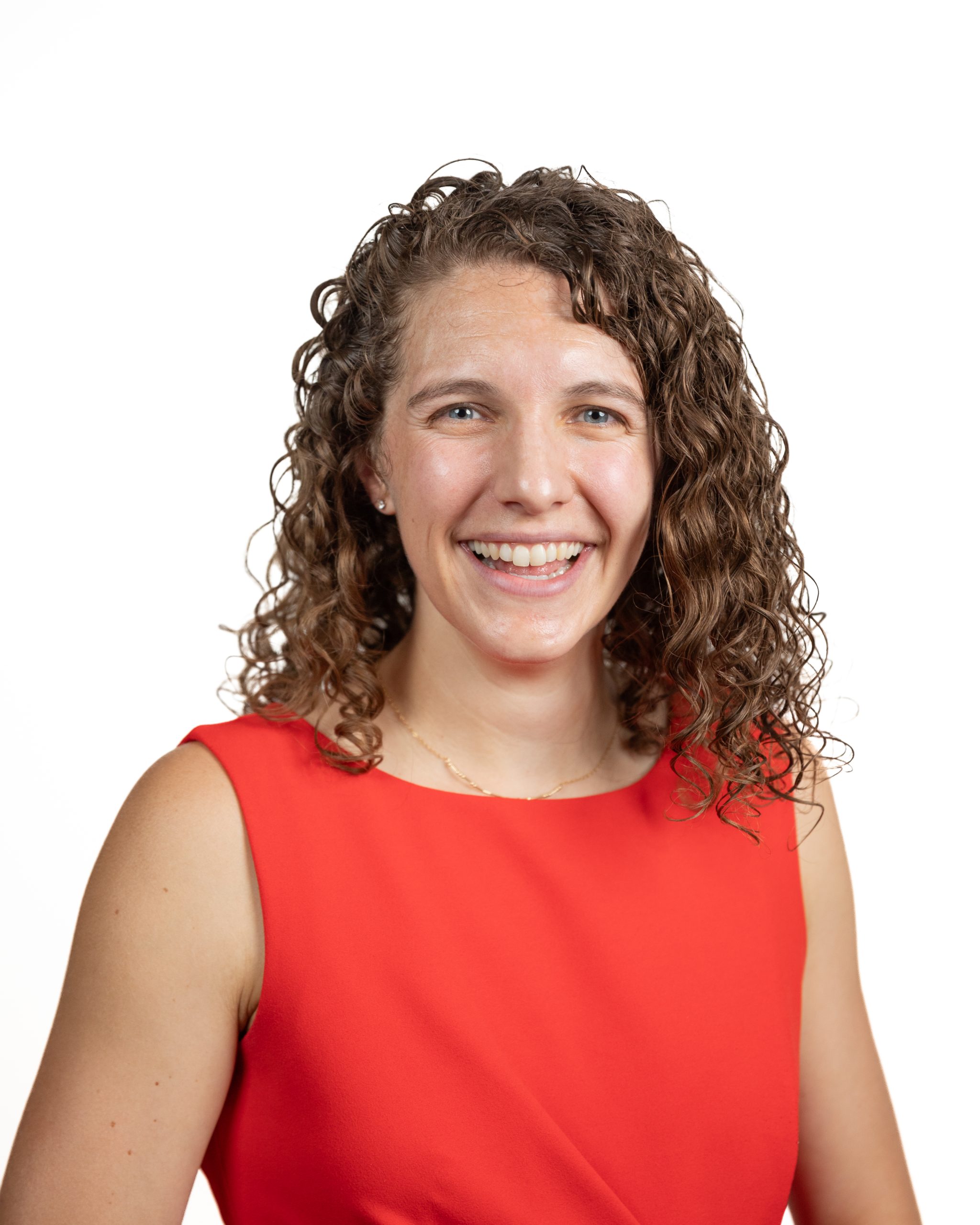
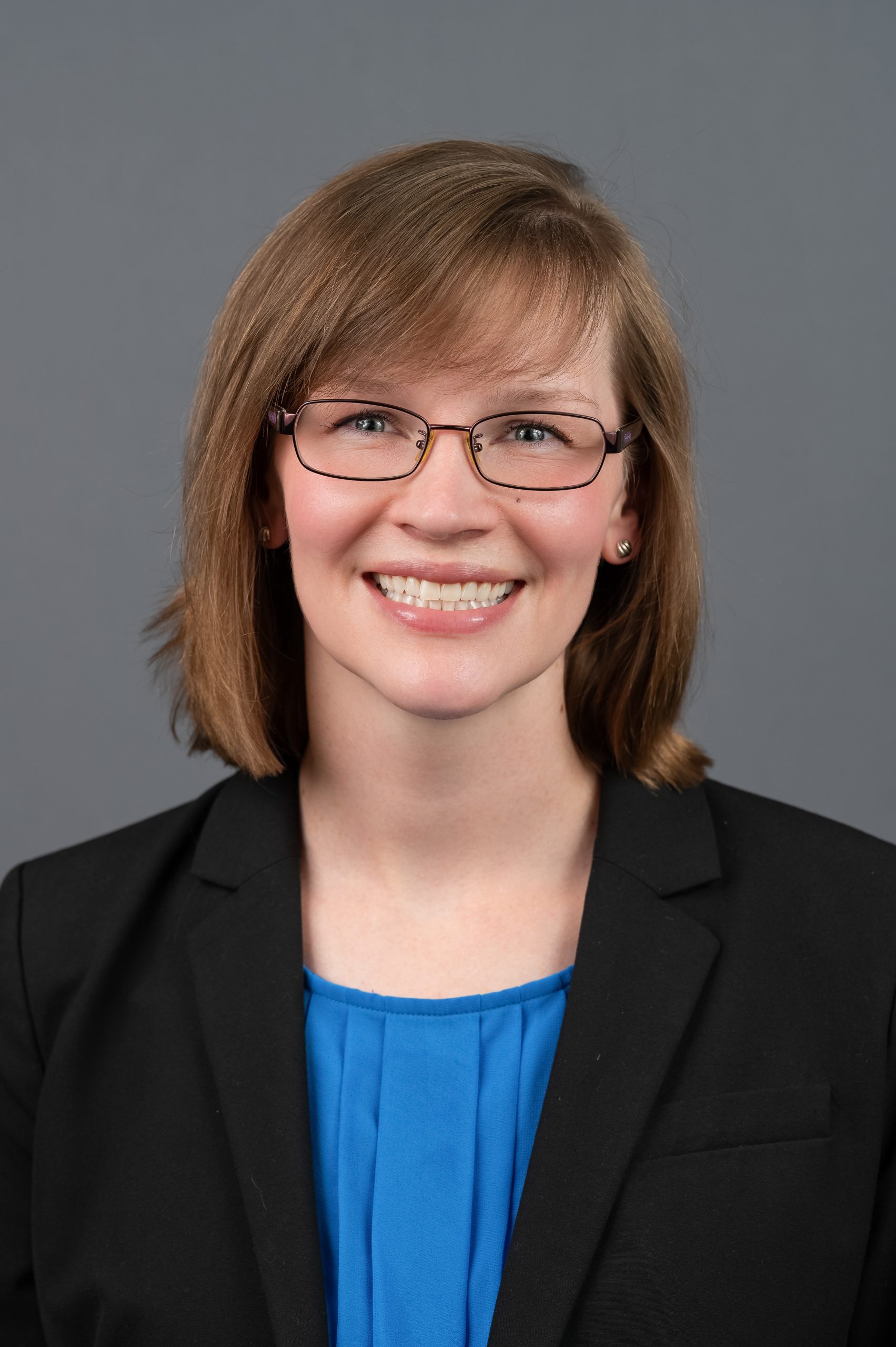
Oncology Pharmacy Specialty Council Members

The purpose of the BPS Specialty Councils is to develop standards and eligibility requirements for board certification, develop examinations and passing standards for certification, and review and approve professional development programs for recertification of board-certified pharmacists. Specialty council members are at the heart of the peer-reviewed and peer-developed nature of BPS Board Certification.

Nancy Guo, Chair PharmD, BCOP

Nancy is a pharmacist at the Ministry of Health in Toronto, Ontario, Canada, where she works on the development and recommendations of oncology drug policies. She is also an oncology subject matter expert at the Kingston Health Sciences Centre (KHSC) in Ontario. She received her Doctor of Pharmacy degree from the University of Toronto. Nancy has worked as an oncology clinical pharmacist, a clinical lead pharmacist, and the oncology pharmacy manager at KHSC. Nancy conducts research with the Toronto General Research Institute.

Alexis Kuhn, Vice Chair PharmD, BCOP

Alexis Kuhn is an ambulatory pediatric hematology/oncology/BMT pharmacist at Mayo Clinic in Rochester, MN. She received her Doctor of Pharmacy degree from the University of Utah College of Pharmacy, and thereafter completed her PGY1 and oncology PGY2 residencies at Mayo Clinic Children’s Center and Mayo Clinic, respectively. She is an Assistant Professor of Pharmacy and an Assistant Professor of Pediatrics through the Mayo Clinic College of Medicine. Her practice interests include pediatric non-malignant and malignant hematology and transplant/cellular therapies.

Kelly Brandt, PharmD, BCPS, BCOP

Kelly Brandt is an Oncology Clinical Pharmacy Specialist practicing with Allegheny Health Network Cancer Institute. She previously worked in the Breast Medicine clinic at Roswell Park Cancer Institute in Buffalo, NY before working throughout the Pittsburgh area with Allegheny Health Network for over 6 years. She then gained experience as a Scientific Director in Oncology with Clinical Education Alliance before returning to clinical practice with AHN in 2024. She currently works with adult oncology patients in an ambulatory practice setting. She received her Doctor of Pharmacy degree from Duquesne University and completed her oncology pharmacy training at the University of Virginia Health System in Charlottesville, VA.

Joseph Bubalo, PharmD, BCPS, BCOP

Bubalo is an oncology pharmacotherapy specialist, previously with Oregon Health & Science University (OHSU) in Portland, Oregon and an Assistant Professor of Medicine with the Division of Hematology and Medical Oncology. He has been active in the clinical care of oncology and stem cell transplant and cellular therapy patients for over 25 years and has received research grants investigating ways to improve multiple areas of supportive care in these patients. He continues to look for ways to decrease the symptoms associated with antineoplastic and associated therapies. Recently retired from active practice, this will be his final term on the BCOP council.

Alexandre Chan, PharmD, MPH, BCPS, BCOP, APh, FCCP, FISOPP

Alexandre Chan is a Founding Chair and Professor in Clinical Pharmacy at the University of California, Irvine (UC Irvine) School of Pharmacy & Pharmaceutical Sciences. He is an Oncology Pharmacist at the Chao Family Comprehensive Cancer Center at Irvine, where he practices and conducts clinical research. He is also a Visiting Professor at the National Cancer Center Singapore and an Adjunct Faculty at the Duke-NUS Medical School in Singapore. A board-certified specialist in Pharmacotherapy and Oncology Pharmacy, Alex has published >320 peer-reviewed manuscripts in a wide array of cancer-supportive care and survivorship topics in medical and pharmacy journals, and his research program has attracted ~10 million USD competitive funding support from various governmental agencies (NIH in the USA, NMRC in Singapore), foundations, and pharmaceutical companies. Alex is an elected Fellow of the American College of Clinical Pharmacy and the International Society of Oncology Pharmacy Practitioners (ISOPP). He was a Past President of ISOPP, and he is currently the President-Elect of the Multinational Association of Supportive Care in Cancer (MASCC).

Jenny He, PharmD, BCPS

Jenny He is the Pharmacy Operations Manager and PGY1 Residency Program Director at St. Michael’s Medical Center in Silverdale, WA. Prior to her current role, she was the Research Pharmacist at MultiCare Institute for Research and Innovation in Tacoma, WA, where she assisted in clinical trials of various indications, ranging from neonatal vaccines to adult neurology, with most of the trials being in adult outpatient oncology. She was also previously an adult Medical-Surgical-Oncology Clinical Pharmacist Specialist at MultiCare Tacoma General Hospital. Pharmacy education, Medication Safety, and Transitions of Care are her other areas of practice interest. She completed her PGY1 pharmacy residency at MultiCare Tacoma General Hospital and received her Doctor of Pharmacy from the University of Washington School of Pharmacy.

Anna Jan, PharmD, BCOP

Anna Jan is a Board Certified Oncology Pharmacist with extensive experience in oncology pharmacy practice, research, and education. She currently serves as a Clinical Pharmacy Specialist in Genitourinary Cancers at The University of Texas MD Anderson Cancer Center, where she collaborates with a multidisciplinary team to deliver evidence-based, patient-centered care.

Anna completed her Doctor of Pharmacy degree at the University of California, San Francisco. She went on to pursue residency training, completing a PGY1 Pharmacy Residency with an emphasis in geriatrics at the VA Greater Los Angeles Healthcare System, followed by a PGY2 Oncology Pharmacy Residency at H. Lee Moffitt Cancer Center. Her career at MD Anderson has spanned several specialties, including genitourinary cancers, melanoma, stem cell transplantation, and cellular therapy.

In addition to her clinical work, Anna has contributed significantly to oncology research, publishing in respected journals such as the European Journal of Haematology, Transplantation and Cellular Therapy, and Clinical Genitourinary Cancer. She has presented at national meetings, including HOPA, NCODA, and SITC, on topics ranging from immune checkpoint inhibitor toxicities to infectious complications in transplant recipients.

Anna is also passionate about education and mentorship. She has precepted pharmacy residents and students from multiple institutions, including the University of Houston and The University of Texas at Austin, and has served in leadership roles within MD Anderson committees and national professional organizations.

Through her clinical expertise, research contributions, and collaborative approach, Anna Jan continues to advance oncology pharmacy while improving outcomes for patients and supporting the development of future practitioners.

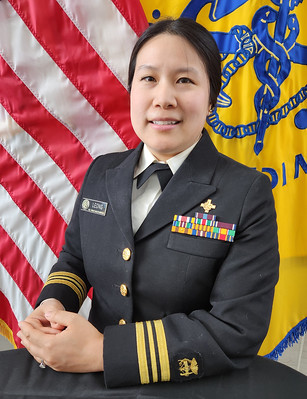
Ruby Leong, PharmD, BCOP

LCDR Leong is a team lead in the Division of Cancer Pharmacology I in the Office of Translational Sciences, Center for Drug Evaluation and Research (CDER), Food and Drug Administration (FDA). As a clinical pharmacology team lead, she is part of the multidisciplinary team responsible for the approval of safe and effective drugs for cancer. Her previous roles included clinical pharmacology reviewer in the Division of Clinical Pharmacology V, and post-doctoral fellow in the Office of Clinical Pharmacology working on pediatrics physiologically-based pharmacokinetic modeling. Ruby received a Doctorate of Pharmacy from the University of Michigan and completed a post-doctoral industry fellowship in oncology drug development at Rutgers University/Hoffmann-La Roche. She practices as a volunteer oncology pharmacist at the Walter Reed National Military Medical Center Hematology/Oncology Pharmacy.

Yun Man, PharmD, BCOP, CPPS

Yun Man is the Medication Safety Officer at Dana-Farber Cancer Institute in Boston, Massachusetts, where she is actively involved in quality improvement, precepting, and research, with a focus on medication safety in the ambulatory care oncology setting. She received her Doctor of Pharmacy degree from Massachusetts College of Pharmacy and Health Sciences University and completed her PGY1 Pharmacy Practice Residency at VA Illiana Health Care System, followed by a PGY2 Oncology Pharmacy Residency at Roswell Park Comprehensive Cancer Center. Prior to her current role, she was a Medication Use Quality and Policy Specialist, with practice interests that included oncology medication use quality improvement and policy management.

Carolyn Oxencis, PharmD, BCOP, FHOPA

Oxencis is a Clinical Associate Professor at the Medical College of Wisconsin School of Pharmacy and the Oncology/Precision Medicine Clinical Pharmacist at Froedtert Hospital in Milwaukee, WI. She received her Doctor of Pharmacy degree from the University of Iowa College of Pharmacy and completed her ASHP Accredited PGY1 Pharmacy Practice Residency at Froedtert Health.

Jim Siderov, AM, BPharm, MClinPharm, BCOP, AdvPracPharm, FSHP, FANZCAP (OncHaem)

Jim Siderov has worked in Cancer Pharmacy practice for over 35 years. During this time, he successfully completed the inaugural BCOP certification and subsequent recertifications, was awarded Fellowship to the Society of Hospital Pharmacists of Australia (SHPA), has completed his Master’s in Clinical Pharmacy, and was credentialed as an Advanced Practice Pharmacist, and awarded Fellowship to the Australian and New Zealand College of Advanced Pharmacy (Oncology & Hematology). Jim was admitted as a Member (AM) of the Order of Australia (General Division), for service to oncology pharmacy as a clinician, and to professional associations.

Jim has been an active member of many professional organizations, having served on the SHPA Oncology & Hematology Leadership Committee and the Cancer Pharmacists Group (CPG) of the Clinical Oncology Society of Australia, which he previously chaired. Jim was also the ISOPP Chair of the Standards Committee for 4 years from 2012. He has published widely in peer-reviewed journals, and presented at local, national and international conferences in the field of cancer pharmacy practice. Locally, Jim has been actively involved in the education of pharmacists in Cancer Pharmacy practice as a lecturer in CPG foundation courses.

Diana Tamer, PharmD, BCOP

Dr. Diana Tamer received her Bachelor of Science in Biology from the American University of Beirut (AUB), her Doctor of Pharmacy degree from the Lebanese American University (LAU), and concluded her training at the Houston Methodist Hospital, in Texas. She completed an ASHP accredited PGY-1 residency in pharmacy practice at HonorHealth Scottsdale Medical Center in Arizona, and an ASHP accredited PGY-2 residency program in hematology/oncology at Maine Medical Center in Maine. She also completed a post-graduate certificate program in cancer research at Harvard Medical School, specializing in two tracks: cancer-omics, and clinically challenging cancers.

She is currently a Clinical Associate Professor for the University of Missouri–Kansas City School of Pharmacy and practices as a Hematology/Oncology Pharmacy Specialist at the AdventHealth Shawnee Mission Cancer Institute and is a PRN Cancer Care Pharmacist in GYN-ONC clinic at The University of Kansas Health System. Dr. Tamer is a Board-Certified Oncology Pharmacist (BCOP).

Her practice interests include targeted therapy directed by genetic testing in treating cancer patients, clinically challenging and resistant tumors, and oncology pharmacist’s role in improving cancer patient outcomes.

Her scholarship of teaching and learning interests include equity in cancer screening and prevention especially in low-income zip-codes, oral chemotherapy improvement processes and programs, as well as oncology supportive care.

Eligibility Requirements

An applicant for board certification in Oncology Pharmacy must demonstrate all of the eligibility requirements listed below. All practice and education eligibility requirements must be met before submitting the application. Once all of the requirements below are met, an applicant will be deemed eligible to sit for the Oncology Pharmacy specialty certification examination. If an applicant achieves a passing score on the Oncology Pharmacy specialty certification examination, they may use the designation Board-Certified Oncology Pharmacist, or BCOP®.

  • Refer to the Oncology Pharmacy Examination Content Outline here for details on eligibility requirements, effective dates, and more.

The rationale for the appropriateness of the requirements for BPS certification programs are based upon the following:

  • BPS recognizes individuals who graduate from a recognized school or college of pharmacy within the candidate’s jurisdiction. Those jurisdictions recognize and evaluate programs on the extent to which it accomplishes its stated goals and is consistent with the concept that pharmacy is a unique, personal service profession in the health science field. In the United States, the responsibility for recognizing schools and colleges of pharmacy falls to the Accreditation Council for Pharmacy Education (ACPE).
  • The rationale for requiring licensure or registration of pharmacists within their jurisdiction is based upon the fact that for public protection, all pharmacists must be licensed or registered. This is considered a baseline requirement to be a pharmacist specialist. In the United States, BPS recognizes the licensure process administered by the National Association of Boards of Pharmacy (NABP). The National Association of Boards of Pharmacy (NABP) aims to ensure the public’s health and safety through its pharmacist license transfer and pharmacist competence assessment programs. NABP’s member boards of pharmacy are grouped into eight districts that include all 50 United States, the District of Columbia, Guam, Puerto Rico, the Virgin Islands, Bahamas, and all 10 Canadian provinces.
  • The experiential component is required to help assure practical application of components of the specialty knowledge being certified. There are multiple pathways to meet the practice experience requirement. The faster eligibility pathways recognize accredited residencies through the American Society of Health System Pharmacists (ASHP). The ASHP residency accreditation program identifies and grants public recognition to practice sites having pharmacy residency training programs that have been evaluated and found to meet the qualifications of one of the ASHP’s residency accreditations standards. Thus, accreditation of a pharmacy residency program provides a means of assurance to residency applicants that a program meets certain basic requirements and is, therefore, an acceptable site for postgraduate training in pharmacy practice in organized health care.
  • Passing the BPS pharmacy specialty examination helps assure knowledge consistent with the validated content outline for the BPS specialty.

The appropriateness of the BPS program requirements are consistent with the Council on Credentialing in Pharmacy’s Resource Paper titled: Scope of Contemporary Pharmacy Practice: Roles, Responsibilities, and Functions of Pharmacists and Pharmacy Technicians.

Upcoming Deadlines

Individuals who meet the eligibility requirements for the BCOP® examination can find more information about examination dates and fees for certification examinations here

Candidate's Guide

The Candidate’s Guide is intended for use by pharmacists who are interested in becoming certified as specialists by BPS in any of the BPS-recognized specialty practice areas. To review critical information for BPS Certification Examinations, visit this page.

Content Outline for BCOP

Refer to the Oncology Pharmacy Examination Content Outline here for details on eligibility requirements, effective dates, and more.

The examination content outline is a product of a job analysis, also known as a role delineation study, that includes discussions with a panel of 15-20 subject matter experts who represent the specialty area. These experts determine the competencies required for safe and effective pharmacy practice in the specialty area and engage board-certified pharmacists through a validation survey for their endorsement of the identified competencies. The job analysis process is conducted every 5 years to help ensure that the competencies in the examination content outline reflect current pharmacy practice in the specialty area.

  • Click here to review the 2022 BCOP® Job Analysis Summary.
  • Click here to review the 2026 BCOP® Job Analysis Summary.

Important Resources

Preparing for the BCOP Examination

Certification is a significant differentiator, and the rigorous exam process requires concentrated study. Successful candidates are well prepared, and a number of available resources can assist pre-qualified applicants.

Suggested preparation for the examination might include:

  • The study of journal articles, textbooks or other publications related to the Content Outline.
  • Attendance at continuing education programs and courses in specialized pharmacy practice.
  • Participation in study groups and examination preparation courses.
  • Reviewing the sample examination items provided in order for candidates to familiarize themselves with the various item formats which are presented on the exam. Sample question performance should not be interpreted as an indicator of exam performance.

To maintain its strict, independent standards for certification, BPS does NOT provide review information, preparatory courses, or study guides. However, such materials are available from outside organizations, state or local professional associations and colleges of pharmacy. Potential applicants may contact the professional associations noted below for additional study resources.

The Board of Pharmacy Specialties provides the following program listing for informational purposes. This list is not an exhaustive list of options available for examination preparation. BPS does not endorse or provide preparatory courses for Board Certification Examinations.

Oncology Pharmacy

BPS partners with Pearson to provide the examination. BPS does not have any other partnerships for the certification or recertification application process. BPS partners with professional development program (PDP) providers to provide continuing pharmacy education (CPE) for recertification and the relationship is noted here. Any organization claiming a relationship with BPS for the application process or providing CPE labeled ‘BPS-approved’ outside of the organizations listed should be reported to BPS immediately.

Certification for Applicants Outside the U.S.

BPS would like to offer some helpful tips to candidates outside of the United States in order to make their application experience easier. To learn more about applying for board certification as a pharmacist outside of the U.S., visit this page.

Apply for ADA Accommodations

BPS complies with the relevant provisions of the Americans with Disabilities Act (ADA). For applicants looking to request special accommodations in their application process, more instructions can be found on this page.

Frequently Asked Questions

After review of the BPS Candidates Guide and specialty certification page, some applicants may still have questions. Visit this page to see frequently asked questions from pharmacists pursuing board certification like you!

Sample Examination Items

Sample Items for BCOP® Examinations
The sample examination items for BCOP® examinations are made available by BPS for the purposes of familiarizing certification candidates and other stakeholders with the structure and format of BPS Certification Examinations. This is not meant for use as a self-assessment. Performance on any of these items does not correlate with performance on the actual examination. The content of these examples is meant to be illustrative of actual examination items, but these items do not appear on the certification examination and are not meant to identify the scope of the examination. For a more comprehensive indication of the scope of the certification examination, please refer to the BCOP® Exam Content Outline. Examination items are in multiple-choice format. The great majority of examination items are multiple-choice with a single response from among four options. Some examinations may include a small percentage of items that require selection of multiple (three or four) responses from among a larger set of available (up to eight) options. Examinations items may also be supplemented by an image. View the examination items down below.

A 72-year-old patient is being treated with leuprolide 22.5 mg via intramuscular injection every 3 months for prostate cancer. The PSA level was 4 ng/mL 4 months ago and 10 ng/mL 3 months ago, and it is currently 25 ng/mL. A bone scan and staging CT scans reveal metastatic disease. Which regimen has been associated with the largest increase in survival?

Bicalutamide 50 mg orally daily
Docetaxel 30 mg/m2 intravenous on days 1, 8, 15, 22, and 29 every 6 weeks and prednisone 5 mg orally twice daily
Docetaxel 75 mg/m2 intravenous every 21 days and prednisone 5 mg orally twice daily
Mitoxantrone 12 mg/m2 intravenous every 21 days and prednisone 5 mg orally twice daily

Correct!

Incorrect!

A patient who recently completed surgery for newly diagnosed stage IIIA non-small-cell lung cancer is beginning adjuvant cisplatin plus vinorelbine every 28 days. For optimal outcomes, the patient should receive this treatment for how many cycles?
Two
Four
Six
Eight

Correct!

Incorrect!

A 62-year-old patient was diagnosed with stage IV non-small-cell lung cancer metastatic to the liver 8 months ago. The patient's past medical history includes steroid-dependent chronic obstructive pulmonary disease. The patient received carboplatin and paclitaxel for four cycles, with a partial response. The disease was progressive after 3 months of chemotherapy, and the patient was then treated with gemcitabine for two cycles without response. The patient presents to the clinic for consideration of further treatment. Performance status has declined from ECOG 0 at diagnosis to ECOG 3 currently, mostly due to worsening dyspnea and declining pulmonary function.

Which is the most appropriate management strategy for this patient at this time?
Best supportive care
Erlotinib
Topotecan
Cisplatin and vinorelbine

Correct!

Incorrect!

A patient who is homozygous for the UGT1A1*28 allele may need a reduced dose of which drug?

Fluorouracil
Irinotecan
Mercaptopurine
Sorafenib

Correct!

Incorrect!

Which laboratory value needs to be monitored in a 55-year-old patient who is being treated with pembrolizumab in second-line therapy for metastatic melanoma?

Magnesium
Potassium
Thyroid
Uric acid

Correct!

Incorrect!

What guidance should be given to a patient with multiple myeloma has a serum creatinine of 3.0 mg/dL and a corrected calcium of 14.3 mg/dL?

Avoid milk-based nutritional supplements.
Have PTH checked on a regular basis.
Maintain good fluid intake and monitor urinary output.
Take NSAIDs to manage any aches and pains.

Correct!

Incorrect!

A 59-year-old never-smoker female patient is diagnosed with metastatic lung adenocarcinoma and is to be initiated with afatinib 40 mg orally once daily. The tumor tests positive for epidermal growth factor receptor (EGFR) exon 19 deletions and is negative for ALK gene rearrangement. The patient has a diagnosis of heartburn and depression, and no history of smoking. Which drug-specific education is appropriate for this patient?

Take loperamide at the onset of diarrhea; contact a physician if diarrhea persists.
Take afatinib with a high-fat breakfast each day.
Avoid proton pump inhibitors because they reduce the effectiveness of afatinib.
Avoid selective serotonin reuptake inhibitor antidepressants because they can reduce effectiveness of afatinib.

Correct!

Incorrect!

Which study design is most appropriate for an economic benefit in using docetaxel or paclitaxel as second-line therapy for female patients with anthracycline-resistant metastatic breast cancer?

Cost-benefit analysis
Cost-effectiveness analysis
Cost-minimization analysis
Cost-utility analysis

Correct!

Incorrect!

Which is the most appropriate statistical test for determining if the values obtained using a new assay differ from those of the general population using the standard assay?

Chi-square test
Fisher's exact test
Mann–Whitney U test
Student's t test

Correct!

Incorrect!

The primary goal of the Health Insurance Portability and Accountability Act (HIPAA) is to:

ensure that patients have access to their own medical information.
ensure that patients who leave employers that were providing health insurance may continue the same health insurance coverage for up to 18 months.
protect patient rights by ensuring that insurance organizations are accountable for covering patient costs in a timely manner.
protect patient privacy by safeguarding information in all forms, including oral, written, and electronic.

Correct!

Incorrect!

Which risk factor is associated with melanoma?

Family history of basal cell carcinoma
Personal history of actinic keratosis
Personal history of arsenic exposure
Personal or family history of atypical nevus syndrome

Correct!

Incorrect!

Share the quiz to show your results !

Subscribe to see your results

Oncology Pharmacy Sample Questions

I got %%score%% of %%total%% right

%%description%%

%%description%%

Loading...

Recertification Requirements for BCOP®

Pharmacists who earn the designation Board-Certified Oncology Pharmacist (BCOP®) are required to maintain their certification over a seven-year period by completing one of the following recertification pathways:

 Option One: Recertification Examination

  • For BCOP® with certification beginning January 1, 2023 or earlier: Achieve a passing score on the recertification examination administered by BPS.
  • For BCOP® with certification beginning January 1, 2024 or later: Achieve a passing score on the recertification examination administered by BPS and self-report up to 20 units of continuing professional development (CPD).  Assessed continuing pharmacy education (CPE) from BPS-approved professional development programs can also satisfy this requirement. For more information on CPD, review the FAQ. To maintain an active certification in good standing, a minimum of two units of assessed CPE from BPS-approved professional development programs or self-reported CPD must be reported each year.

OR

Option Two: Professional Development Program

Click here to view a simplified comparison infographic to learn more about the differences between the CPE and CPD recertification frameworks.

Year certified/recertified

New cycle start

(begin earning recert units)

Cycle expiration

(deadline to meet recert reqs)

Units required 

(PDP = professional development program)

20191/1/202012/31/2026100 units assessed CPE via BPS-approved PDP
20201/1/202112/31/2027100 units assessed CPE via BPS-approved PDP
20211/1/202212/31/2028100 units assessed CPE via BPS-approved PDP
20221/1/202312/31/2029100 units assessed CPE via BPS-approved PDP
20231/1/202412/31/2030100 units (80 units assessed CPE via BPS-approved PDP + 20 units CPD)
2024 onward1/1/2025 onward12/31/2031 onward100 units (80 units assessed CPE via BPS-approved PDP + 20 units CPD)

For full details regarding recertification, please refer to the BPS Recertification Guide.

Board-Certified Infectious Diseases Pharmacists® are required to pay the BPS Annual Certification Maintenance fee of $125 each year for years one through six and the $400 recertification fee in year seven. Individuals with more than one BPS certification are assessed one BPS Annual Certification Maintenance Fee each year. 

Upcoming Deadlines

Candidates are required to recertify every 7 years. Certificants must submit their recertification application no later than the deadline of August 17. BPS encourages candidates to submit their recertification application as early as January 1 of their recertification year.

Candidates who intend to recertify via examination should note the availability of the recertification examination and related application deadlines. Candidates recertifying their BCOP® credential by examination can find more information about examination dates and fees here

Candidates who intend to recertify via continuing pharmacy education (CPE) MUST submit their recertification application by the deadline date of August 17 even if they have not completed their CPE requirements.

The deadline to complete the required CPE for recertification is December 31 for all specialties. The board-certified pharmacist is responsible for submitting an application that is completely and accurately filled out. Incomplete and/or unpaid applications will not be processed.

Recertification Guide

The recertification guide is intended to provide BPS-certified pharmacists with information on the recertification process. To review recertification information, visit this page.

CPE Providers

BCOP® with certification beginning January 1, 2023 or earlier: recertification via professional development program requires 100 units of assessed CPE from BPS-approved professional development programs offered by:

BCOP® may participate in recertification from any BPS-approved BCOP® programs. 


BCOP® with certification beginning January 1, 2024 or later: recertification via professional development program requires 100 units. Earn at least 80 units of assessed continuing pharmacy education (CPE) from BPS-approved professional development programs and self-report up to 20 units of continuing professional development (CPD) by the end of the 7 year recertification cycle (assessed CPE can also satisfy this requirement).*

* A minimum of 2 units of CPD or BPS-approved, assessed CPE must be earned annually, regardless of recertification pathway. 

BCOP® may participate in recertification from any BPS-approved BCOP® programs. 

Content Outline for BCOP®

Refer to the Oncology Pharmacy Examination Content Outline here for details on eligibility requirements, effective dates, and more.

The examination content outline is a product of a job analysis, also known as a role delineation study, that includes discussions with a panel of 15-20 subject matter experts who represent the specialty area. These experts determine the competencies required for safe and effective pharmacy practice in the specialty area and engage board-certified pharmacists through a validation survey for their endorsement of the identified competencies. The job analysis process is conducted every 5 years to help ensure that the competencies in the examination content outline reflect current pharmacy practice in the specialty area.

  • Click here to review the 2022 BCOP® Job Analysis Summary.
  • Click here to review the 2026 BCOP® Job Analysis Summary.

Important Resources

Logging CPD Activities (Video)

Watch a step-by-step video walkthrough of how to report CPD activities in MyBPS once a certificant begins a new certification cycle. For CPD categories and descriptions, see the “How will CPD activities contribute to recertification?” question in the CPD FAQs.

CPD Annual Reflection and Plan (ARP) Sample

Click here to view a sample Annual Reflection and Plan (ARP) to help guide formatting and structure for your CPD annual reflection and learning plan. 

CPD Activity Evaluation Sample

Click here to view a sample CPD activity evaluation (scholarly activity) to help guide how evaluations may be documented for CPD credit. This sample is for guidance and is not the only acceptable format.

Frequently Asked Questions

After review of the BPS Recertification Guide, some applicants may still have questions. Visit this page to see frequently asked questions from pharmacists renewing their board certification like you!

Sample Examination Items

Sample Items for BCOP® Examinations

The sample examination items for BCOP® examinations are made available by BPS for the purposes of familiarizing certification candidates and other stakeholders with the structure and format of BPS certification examinations. This is not meant for use as a self-assessment. Performance on any of these items does not correlate with performance on the actual examination.

The content of these examples is meant to be illustrative of actual examination items, but these items do not appear on the certification examination and are not meant to identify the scope of the examination. For a more comprehensive indication of the scope of the certification examination, please refer to the BCOP® Exam Content Outline.

Examination items are in multiple-choice format. The great majority of examination items are multiple-choice with a single response from among four options. Some examinations may include a small percentage of items that require selection of multiple (three or four) responses from among a larger set of available (up to eight) options. Examinations items may also be supplemented by an image.

View the examination items down below.

A 72-year-old patient is being treated with leuprolide 22.5 mg via intramuscular injection every 3 months for prostate cancer. The PSA level was 4 ng/mL 4 months ago and 10 ng/mL 3 months ago, and it is currently 25 ng/mL. A bone scan and staging CT scans reveal metastatic disease. Which regimen has been associated with the largest increase in survival?

Bicalutamide 50 mg orally daily
Docetaxel 30 mg/m2 intravenous on days 1, 8, 15, 22, and 29 every 6 weeks and prednisone 5 mg orally twice daily
Docetaxel 75 mg/m2 intravenous every 21 days and prednisone 5 mg orally twice daily
Mitoxantrone 12 mg/m2 intravenous every 21 days and prednisone 5 mg orally twice daily

Correct!

Incorrect!

A patient who recently completed surgery for newly diagnosed stage IIIA non-small-cell lung cancer is beginning adjuvant cisplatin plus vinorelbine every 28 days. For optimal outcomes, the patient should receive this treatment for how many cycles?
Two
Four
Six
Eight

Correct!

Incorrect!

A 62-year-old patient was diagnosed with stage IV non-small-cell lung cancer metastatic to the liver 8 months ago. The patient's past medical history includes steroid-dependent chronic obstructive pulmonary disease. The patient received carboplatin and paclitaxel for four cycles, with a partial response. The disease was progressive after 3 months of chemotherapy, and the patient was then treated with gemcitabine for two cycles without response. The patient presents to the clinic for consideration of further treatment. Performance status has declined from ECOG 0 at diagnosis to ECOG 3 currently, mostly due to worsening dyspnea and declining pulmonary function.

Which is the most appropriate management strategy for this patient at this time?
Best supportive care
Erlotinib
Topotecan
Cisplatin and vinorelbine

Correct!

Incorrect!

A patient who is homozygous for the UGT1A1*28 allele may need a reduced dose of which drug?

Fluorouracil
Irinotecan
Mercaptopurine
Sorafenib

Correct!

Incorrect!

Which laboratory value needs to be monitored in a 55-year-old patient who is being treated with pembrolizumab in second-line therapy for metastatic melanoma?

Magnesium
Potassium
Thyroid
Uric acid

Correct!

Incorrect!

What guidance should be given to a patient with multiple myeloma has a serum creatinine of 3.0 mg/dL and a corrected calcium of 14.3 mg/dL?

Avoid milk-based nutritional supplements.
Have PTH checked on a regular basis.
Maintain good fluid intake and monitor urinary output.
Take NSAIDs to manage any aches and pains.

Correct!

Incorrect!

A 59-year-old never-smoker female patient is diagnosed with metastatic lung adenocarcinoma and is to be initiated with afatinib 40 mg orally once daily. The tumor tests positive for epidermal growth factor receptor (EGFR) exon 19 deletions and is negative for ALK gene rearrangement. The patient has a diagnosis of heartburn and depression, and no history of smoking. Which drug-specific education is appropriate for this patient?

Take loperamide at the onset of diarrhea; contact a physician if diarrhea persists.
Take afatinib with a high-fat breakfast each day.
Avoid proton pump inhibitors because they reduce the effectiveness of afatinib.
Avoid selective serotonin reuptake inhibitor antidepressants because they can reduce effectiveness of afatinib.

Correct!

Incorrect!

Which study design is most appropriate for an economic benefit in using docetaxel or paclitaxel as second-line therapy for female patients with anthracycline-resistant metastatic breast cancer?

Cost-benefit analysis
Cost-effectiveness analysis
Cost-minimization analysis
Cost-utility analysis

Correct!

Incorrect!

Which is the most appropriate statistical test for determining if the values obtained using a new assay differ from those of the general population using the standard assay?

Chi-square test
Fisher's exact test
Mann–Whitney U test
Student's t test

Correct!

Incorrect!

The primary goal of the Health Insurance Portability and Accountability Act (HIPAA) is to:

ensure that patients have access to their own medical information.
ensure that patients who leave employers that were providing health insurance may continue the same health insurance coverage for up to 18 months.
protect patient rights by ensuring that insurance organizations are accountable for covering patient costs in a timely manner.
protect patient privacy by safeguarding information in all forms, including oral, written, and electronic.

Correct!

Incorrect!

Which risk factor is associated with melanoma?

Family history of basal cell carcinoma
Personal history of actinic keratosis
Personal history of arsenic exposure
Personal or family history of atypical nevus syndrome

Correct!

Incorrect!

Share the quiz to show your results !

Subscribe to see your results

Oncology Pharmacy Sample Questions

I got %%score%% of %%total%% right

%%description%%

%%description%%

Loading...

Testimonials

I am a board-certified oncology pharmacist. This certification encourages me to always seek new oncology literature to improve patient care and safety. I am also grateful for all the multi-disciplinary, academic, and research opportunities that have opened from being a board-certified pharmacist.

BPS Board Certification is an asset to my practice as a pharmacist and to my role on a health care team; they know I have met the standards for board certification in oncology and maintain my BCOP credential, which instills an elevated level of trust.

Over the years I have had many opportunities to provide training to pharmacists and other healthcare professionals globally, and maintaining BPS board certification is seen as a universal identity for holding high standards in pharmacy practice as well as dedicated in delivering exceptional patient care.

To me, board certification is a journey that extends beyond a credential – it’s a commitment to lifelong learning, a dedication to excellence, and a responsibility to positively impact patient care.

Thu Dang

I have been symbolically wearing my PharmD, along with my pharmacist credential Board Certified Oncology Pharmacist (BCOP), earned in 2011, proudly to help caregivers and patients with cancer.

0/0

Certification Verification

BPS offers the ability to search and verify a Board-Certified Pharmacist by name or credential number. 

BPS Logo
Privacy Overview

This website uses cookies so that we can provide you with the best user experience possible. Cookie information is stored in your browser and performs functions such as recognizing you when you return to our website and helping our team to understand which sections of the website you find most interesting and useful.

Click here to review the BPS Privacy Statement.